

Plant Profile: Wild Strawberry
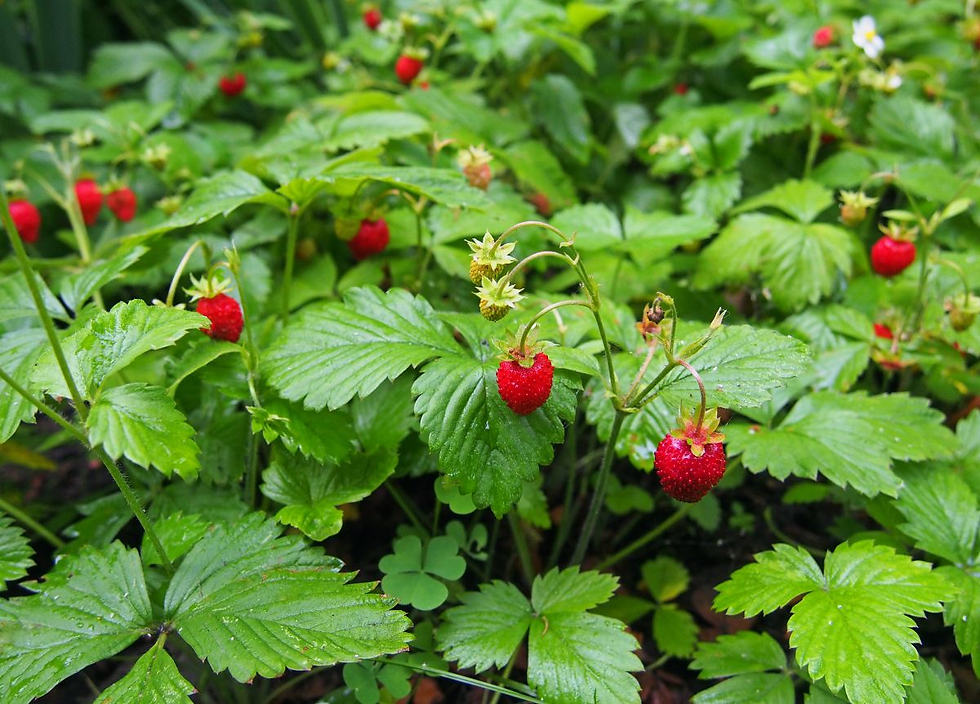
Wild Strawberry
Scientific Name: Fragaria virginiana
Plant Type: Perennial
Difficulty: Easy
Sun: Full Sun to Partial Shade
Height: 4-8 inches (10-20 cm)
Spread: 12-24 inches (30-60 cm) through runners
Seeds Produced: Approximately 150-300 seeds per berry
What Is It?
Wild Strawberry is a low-growing perennial native to North America and the ancestor of many modern cultivated strawberry varieties. It produces white five-petaled flowers in spring followed by small, bright red berries with an intensely sweet and aromatic flavor. The plants spread naturally by runners, forming attractive ground cover while providing food for both people and wildlife.
Historical Uses
Wild strawberries have been harvested throughout North America for thousands of years by Indigenous peoples, who consumed the berries fresh, dried them for winter use, and incorporated them into various traditional foods. The leaves were also prepared as herbal teas. European settlers quickly recognized their exceptional flavor, and the species later contributed to the development of modern garden strawberries through hybridization with South American species.
Growing Information
Sun Requirements: Full sun to partial shade
Soil Requirements: Rich, well-draining soil with plenty of organic matter
Water Requirements: Moderate. Maintain consistent moisture, especially during flowering and fruit production.
Plant Height: 4-8 inches (10-20 cm)
Spread: 12-24 inches (30-60 cm) through runners
Spacing: 12-18 inches (30-45 cm)
Germination Time: 14-28 days
Time to Harvest: Fruits typically develop in late spring to early summer.
Where Should It Be Grown?
✓ Raised Beds
✓ Containers
✓ Hanging Baskets
✓ Planters
✓ Directly in Garden Soil
✓ Woodland Gardens
✓ Pollinator Gardens
Wild strawberries make an excellent edible ground cover beneath fruit trees, along pathways, or throughout naturalized gardens where they can spread freely by runners.
Wildlife Protection: Recommended. Birds, squirrels, chipmunks, rabbits, deer, raccoons, and many other animals eagerly consume the berries. Bird netting is often the most effective method of protecting the harvest.
How to Grow
Direct sow seeds after cold stratification or start indoors 8-10 weeks before the last frost. Seeds require light to germinate, so press them gently onto the soil surface without burying them deeply.
Wild strawberries also establish readily from runners, which is the fastest and easiest propagation method.
Keep plants evenly watered, mulch around them to conserve moisture, and remove excessive runners if you wish to contain their spread.
Harvesting
Harvest berries when they are fully red, fragrant, and easily separate from the stem. Unlike many commercial strawberries, wild strawberries are highly perishable and are best enjoyed shortly after picking.
Leaves may also be harvested throughout the growing season for use as herbal tea.
Seed Collection & Storage
Collection Method:
Select fully ripe berries and gently mash them in water. The viable seeds will sink while most of the pulp floats. Separate the seeds, rinse thoroughly, and allow them to dry completely on a coffee filter or fine paper for several days before storage.
Storage Method:
Store seeds in a non-bleached paper envelope, amber glass jar, or airtight container in a cool, dark, dry location.
Seed Viability:
Approximately 2-4 years when properly stored.
Nutritional Benefits
Wild strawberries are an excellent source of:
• Vitamin C
• Manganese
• Dietary fiber
• Folate
• Potassium
• Antioxidants
• Anthocyanins
• Polyphenols
The leaves also contain naturally occurring tannins and antioxidants commonly used in traditional herbal teas.
Additional Benefits
• Native to much of North America
• Excellent edible ground cover
• Produces flavorful berries
• Attracts bees and native pollinators
• Supports birds and other wildlife
• Spreads naturally by runners
• Suitable for woodland and pollinator gardens
• Easy for beginner gardeners
Interesting Fact
Although the berries are much smaller than supermarket strawberries, many gardeners believe wild strawberries have the richest strawberry flavor of any species. Modern commercial strawberries owe part of their exceptional taste and aroma to genetics inherited from Fragaria virginiana, one of their wild North American ancestors.


Comments