

Plants in Ontario You Should Avoid Touching or Handle With Care
- caragardensinfo
- Mar 7
- 9 min read
Ontario is home to an extraordinary diversity of plant life. Forests, wetlands, fields, shorelines, and even urban green spaces support thousands of plant species. The vast majority are harmless to people and play essential roles in ecosystems by supporting wildlife, stabilizing soils, and sustaining pollinators.
However, a small number of plants can cause health problems when touched, handled improperly, or accidentally ingested. These reactions are usually the result of natural chemical defenses that plants produce to protect themselves from animals, insects, and environmental stress. While these compounds serve an ecological purpose, they can sometimes affect human skin, eyes, or internal organs.
Plant related health effects generally fall into several distinct categories. Some plants cause simple skin irritation when their leaves, sap, or microscopic hairs come into contact with the skin. Others trigger allergic reactions, where the immune system responds strongly to plant oils or resins. Certain plants contain compounds that react with sunlight and produce chemical burns, a reaction known as phytophotodermatitis. Finally, some species are poisonous if ingested, meaning that eating any part of the plant can lead to illness or serious toxicity.
Understanding these categories helps people recognize potential risks while spending time outdoors. Gardeners, hikers, landscapers, foragers, and families with children are most likely to encounter these plants during everyday activities such as yard work, trail walking, or exploring natural areas.
It is important to remember that the presence of these plants does not mean outdoor spaces are unsafe. Many have ecological value and are important components of natural habitats. Problems usually occur only when a plant is handled unknowingly or when exposure happens without proper precautions.
The sections below outline the main groups of plants in Ontario that people should be aware of. Each category explains how the reaction occurs and provides examples of species commonly found in the province. Recognizing these plants can help reduce accidental exposure and allow people to enjoy Ontario’s landscapes safely and confidently.
Plants That May Cause Skin Irritation
Many plants produce natural defensive structures or chemical compounds that can irritate human skin when touched. These defenses evolved to discourage animals and insects from feeding on the plant, but they can also affect people who brush against them while gardening, hiking, or working outdoors.
Skin irritation from plants usually occurs through one of two biological mechanisms.
The first mechanism involves microscopic hairs or spines, known as trichomes. Some plants develop hollow or needle-like hairs that break when touched. These structures release small amounts of irritating chemicals such as histamine, formic acid, serotonin, or acetylcholine into the skin. The reaction is immediate because these compounds stimulate nerve endings and inflammatory pathways.
The second mechanism involves irritant plant compounds present in sap, leaves, or stems. These chemicals can disrupt the outer protective barrier of the skin, called the epidermis. When the skin barrier is damaged, inflammation occurs and the body sends immune cells to the affected area. This response produces redness, swelling, and discomfort.
Unlike allergic reactions, these irritant responses do not require prior sensitivity. Anyone who touches enough of the plant or its sap can experience irritation.
Symptoms usually appear quickly after contact and may include:
Burning or stinging sensation
Redness or inflammation
Itching
Raised bumps or welts
Mild swelling
Localized rash
In most cases the reaction is temporary and resolves within a few hours to a few days once the skin is washed and the irritant is removed. Washing exposed skin with soap and water soon after contact can reduce the severity of symptoms.
Stinging nettle (Urtica dioica)

Wood nettle (Laportea canadensis)

False nettle (Boehmeria cylindrica)

Canada nettle (Urtica gracilis)

Horse nettle (Solanum carolinense)

Wild cucumber (Echinocystis lobata)

Virgin’s bower (Clematis virginiana)

Clematis species (Clematis spp.)

Buttercup species (Ranunculus spp.)

Crowfoot species (Ranunculus spp.)

Spurge species (Euphorbia spp.)

Leafy spurge (Euphorbia esula)

Cypress spurge (Euphorbia cyparissias)

Snow-on-the-mountain (Euphorbia marginata)

Dogbane (Apocynum cannabinum)

Spreading dogbane (Apocynum androsaemifolium)

Mayapple (Podophyllum peltatum)

Skunk cabbage (Symplocarpus foetidus)

Jack-in-the-pulpit (Arisaema triphyllum)

Arum species (Arum spp.)

Pokeweed (Phytolacca americana)

Virginia creeper (Parthenocissus quinquefolia)

Wild grape vines (Vitis spp.)

Smartweed species (Persicaria spp.)

Ground ivy (Glechoma hederacea)

Plants That Can Cause Severe Allergic Skin Reactions
Some plants trigger strong skin reactions not because they directly irritate the skin, but because they activate the body’s immune system. These reactions are known as allergic contact dermatitis. Unlike simple irritation, an allergic reaction occurs when the immune system recognizes a substance as harmful and launches an inflammatory response.
This process typically begins when plant oils, resins, or chemical compounds penetrate the outer layer of the skin. Specialized immune cells in the skin, called Langerhans cells, capture these compounds and present them to the immune system as foreign substances. Once the body has been exposed, the immune system becomes sensitized to that compound.
During later exposures, even very small amounts of the same chemical can trigger a stronger immune response. Immune cells release inflammatory molecules such as cytokines and histamine, which lead to redness, swelling, itching, and blistering.
One of the most well known plant allergens in North America is urushiol, an oily compound found in certain plants in the cashew family. Urushiol can remain active for long periods of time and may persist on clothing, tools, pet fur, or garden equipment. This means that people sometimes develop allergic rashes without directly touching the plant itself.
Allergic reactions from plants often appear delayed, typically developing between one and three days after exposure. Because of this delay, people may not immediately connect the rash with the plant that caused it.
Common symptoms of allergic plant reactions include:
Intense itching
Red or inflamed skin
Raised rash or streaks where the plant contacted the skin
Blistering or fluid filled lesions
Swelling in the affected area
Rash that spreads beyond the initial contact area
In sensitive individuals, repeated exposure may cause increasingly severe reactions.
Poison ivy (Toxicodendron radicans)

Poison oak (Toxicodendron diversilobum, occasionally planted or escaped though not native to Ontario)

Poison sumac (Toxicodendron vernix)

Ragweed species (Ambrosia spp.)

Mugwort (Artemisia vulgaris)

Chrysanthemum species (Chrysanthemum spp.)

Feverfew (Tanacetum parthenium)

Yarrow (Achillea millefolium)

Goldenrod (Solidago spp.)

Sunflower species (Helianthus spp.)

Dandelion (Taraxacum officinale)

Arnica species (Arnica spp.)

Chamomile (Matricaria chamomilla)

Tansy (Tanacetum vulgare)
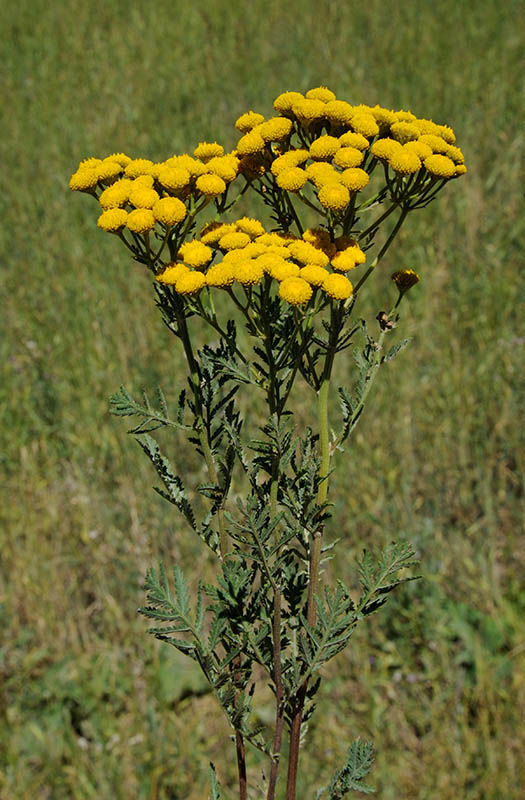
Wormwood (Artemisia absinthium)

Aster species (Symphyotrichum spp.)

Dahlia (Dahlia spp.)

Marigold (Tagetes spp.)

Lettuce (Lactuca sativa)

Tomato plants (Solanum lycopersicum)

Tobacco (Nicotiana tabacum)

Plants That Can Cause Chemical Burns
Some plants can cause serious skin injury through a process called phytophotodermatitis, which literally means plant induced skin inflammation triggered by light. Unlike simple irritation or allergic reactions, this type of injury occurs when certain plant chemicals contact the skin and then react with ultraviolet light from the sun.
The compounds responsible are called furanocoumarins. These chemicals are produced by many plants as a defense against herbivores and pathogens. When plant sap containing furanocoumarins touches the skin, the compounds can penetrate the outer skin layers. If the exposed skin is then exposed to sunlight, ultraviolet radiation activates these molecules.
Once activated, furanocoumarins bind to DNA in skin cells and interfere with normal cell function. This causes inflammation and direct damage to the affected tissue. The result is a chemical burn rather than an allergic reaction.
Unlike allergic dermatitis, phytophotodermatitis does not require prior sensitivity. Anyone can develop a burn if enough plant sap contacts the skin and is followed by sunlight exposure.
The reaction usually appears within 24 to 48 hours after exposure and may worsen over several days.
Common symptoms include:
Redness and inflammation
Painful burning sensation
Large fluid filled blisters
Swelling of the affected skin
Dark patches or streaks that remain after healing
Long lasting skin discoloration that may persist for months
These plants often grow in roadside ditches, wetlands, meadows, and disturbed soils, which is why accidental exposure frequently occurs during gardening, landscaping, or outdoor recreation.
Many plants that cause chemical burns belong to the carrot family (Apiaceae), which includes several edible species. Problems typically occur when plant sap is crushed onto the skin while cutting, pruning, or handling the plant in sunny conditions.
Giant hogweed (Heracleum mantegazzianum)
Wild parsnip (Pastinaca sativa)
Cow parsnip (Heracleum maximum)
Hogweed species (Heracleum spp.)
Angelica species (Angelica spp.)
Wild carrot or Queen Anne’s lace (Daucus carota)
Parsnip (Pastinaca sativa)
Fennel (Foeniculum vulgare)
Dill (Anethum graveolens)
Celery (Apium graveolens)
Parsley (Petroselinum crispum)
Lovage (Levisticum officinale)
Rue (Ruta graveolens)
Fig tree sap (Ficus carica)
Lime peel and sap (Citrus aurantiifolia)
Bergamot oil exposure from wild bergamot (Monarda fistulosa, rarely reported but possible)
Gas plant or burning bush (Dictamnus albus)
Plants That Are Poisonous if Ingested
Some plants contain chemical compounds that can cause illness or serious toxicity when eaten. These toxins are part of the plant’s natural defense system and evolved to discourage animals and insects from consuming them. While these chemicals help plants survive in nature, they can affect human organs and body systems if ingested.
Plant poisoning occurs when toxic compounds are absorbed through the digestive system and enter the bloodstream. Once in circulation, these chemicals can interfere with normal biological processes such as nerve signaling, heart rhythm, cellular metabolism, or liver function.
Different plants produce different classes of toxins. Some of the most common types found in poisonous plants include:
Alkaloids, which can interfere with the nervous system and brain signaling
Cardiac glycosides, which disrupt heart rhythm and electrical activity in the heart
Oxalate crystals, which cause severe irritation and swelling in the mouth and throat
Neurotoxins, which interfere with nerve communication and muscle control
Saponins and other plant toxins, which irritate the digestive system and organs
The severity of poisoning depends on the plant species, the amount consumed, and the age or health of the person exposed. Children and pets are particularly vulnerable because they may accidentally eat berries or plant parts that appear harmless.
Symptoms of plant poisoning can vary widely but commonly include:
Nausea and vomiting
Abdominal pain
Diarrhea
Dizziness or confusion
Excessive salivation
Difficulty breathing
Irregular heart rhythm
Tremors or seizures
Muscle weakness or paralysis
Some poisonous plants closely resemble edible plants, which is why correct identification is essential before consuming any wild plant.
Poison hemlock (Conium maculatum)

Water hemlock (Cicuta maculata)

Deadly nightshade (Atropa belladonna)

Bittersweet nightshade (Solanum dulcamara)

Black nightshade (Solanum nigrum)

Jimsonweed (Datura stramonium)

Angel’s trumpet (Brugmansia spp.)

Foxglove (Digitalis purpurea)

Lily of the valley (Convallaria majalis)

Monkshood or wolfsbane (Aconitum napellus)

Pokeweed (Phytolacca americana)

Mayapple (Podophyllum peltatum)

Jack-in-the-pulpit (Arisaema triphyllum)

White snakeroot (Ageratina altissima)

False hellebore (Veratrum viride)

Dogbane (Apocynum cannabinum)

Spreading dogbane (Apocynum androsaemifolium)

Yew (Taxus canadensis)

Horse chestnut (Aesculus hippocastanum)

Buckthorn (Rhamnus cathartica)

Castor bean (Ricinus communis)

Privet (Ligustrum spp.)

Snowberry (Symphoricarpos albus)

Red baneberry (Actaea rubra)

White baneberry or doll’s eyes (Actaea pachypoda)

Final Thoughts: Knowledge Makes Nature Safer
Ontario’s landscapes are rich with plant life, from forests and wetlands to roadside fields and backyard gardens. While a small number of species can cause irritation, allergic reactions, burns, or poisoning, these plants represent only a tiny fraction of the vegetation people encounter outdoors. Most plants are harmless, beneficial to ecosystems, and valuable to wildlife and pollinators.
The key to enjoying nature safely is awareness and correct identification. Understanding what plants look like, where they grow, and how they affect the body helps prevent accidental exposure. Simple precautions such as wearing gloves while gardening, washing skin after contact with unfamiliar plants, and teaching children not to eat unknown berries can significantly reduce risk.
Exploring nature or learning about wild plants does not need to feel intimidating. Like any outdoor activity, it becomes safer and more enjoyable with the right knowledge and tools. Field guides, plant identification apps, and hands-on experience can all help build confidence when identifying plants in the wild.
For those interested in foraging or studying plants more closely, preparation is essential. Learn from reliable sources, double-check plant identification, and start slowly with species that are well documented and easy to recognize. Over time, plant identification becomes a rewarding skill that deepens appreciation for the natural world.
Nature is only as intimidating as our understanding allows it to be. The more we learn about the plants around us, the less dangerous they seem and the more fascinating they become. With knowledge, curiosity, and a little caution, exploring Ontario’s plant life can transform from something uncertain into an enjoyable and educational experience.


Comments