

Creating an Aromatic, Edible, and Ornamental Garden That Survives Ducks and Geese
- caragardensinfo
- Feb 26
- 3 min read

Designing a garden in an area shared with wild ducks and geese requires a different approach than standard backyard gardening. These birds are persistent grazers, ground foragers, and tramplers. Left unplanned, they can strip tender plants, compact soil, and foul growing areas.
The good news is that ducks and geese are selective. By understanding what they avoid, how they move, and what discourages them naturally, it is possible to build a garden that is not only resilient, but also fragrant, productive, and visually striking.
This type of garden relies on plant chemistry, texture, structure, and layout, rather than exclusion fencing or constant intervention.
Understanding Duck and Goose Feeding Behaviour
Ducks and geese primarily seek:
tender grasses and clover
young leafy greens
soft, low-growing vegetation
open lawn-style areas
They are far less interested in:
strong aromas
bitter or resinous leaves
woody or fibrous plants
upright or densely packed plantings
They also prefer easy access. Gardens that feel crowded, vertical, or strongly scented are naturally less attractive to them. This forms the foundation of a duck- and goose-resistant planting strategy.
The Core Principles of a Duck-Resistant Garden
To succeed, the garden should be designed around four key principles.
Strong Aromatics as the Primary Layer: Ducks and geese rely heavily on taste and smell. Strongly aromatic plants disrupt their feeding interest and act as a natural deterrent.
Upright and Woody Growth Habits: Plants that grow upright, bushy, or woody are less likely to be grazed or trampled.
Dense Planting: Open soil and lawn-like gaps invite birds. Dense plant spacing discourages walking and grazing.
Edible to Humans, Unappealing to Birds: Many culinary and medicinal plants are safe for people but unpalatable to waterfowl.
Aromatic Anchor Plants
These plants form the backbone of the garden. They provide scent, structure, and long-term resilience.
Lavender
Rosemary
Sage
Thyme
Lemon thyme
Oregano
Marjoram
Winter savory
Summer savory
Hyssop
Anise hyssop
Catmint
Peppermint
Spearmint
Pineapple sage
Clary sage
Cuban oregano
Mountain mint
Patchouli
Lavender cotton
Tulsi
Woody Shrubs and Semi-Woody Edibles
Woody texture and upright structure make these unattractive to grazing.
Bay laurel
Rosemary
Currant
Gooseberry
Blueberry
Elderberry
Haskap
Rugosa rose
Sea buckthorn
Serviceberry
Hardy fig
Grape vine
Hardy kiwi
Aronia
Juniper
Boxwood
Ninebark
Potentilla
Privet
Witch hazel
Edible Flowers and Flowering Herbs
While ducks may sample almost anything out of curiosity, the following plants are consistently low-interest to them.
Calendula
Borage
Nasturtium
Echinacea
Bee balm
Yarrow
Chamomile
Chive flowers
Garlic chive flowers
Fennel flowers
Dill flowers
Bergamot
Scented geraniums
Daylily
Rose petals
Lavender hyssop
Tulip petals
Hibiscus
Squash blossoms
Chrysanthemum
Ornamental Perennials and Structural Plants
Ornamental value does not need to be sacrificed for durability.
Russian sage
Artemisia
Santolina
Lamb’s ear
Coreopsis
Gaillardia
Salvia (ornamental varieties only)
Verbena bonariensis
Eryngium
Sedum
Perovskia
Helichrysum
Agastache
Stachys
Hellebore
Columbine
Iris
Peony
Coneflower hybrids
Globe thistle
Groundcovers Ducks and Geese Avoid Walking On
Low-growing plants that deter foot traffic due to density, texture, or scent.
Creeping thyme
Woolly thyme
Low-growing oregano
Roman chamomile
Sweet woodruff
Ajuga
Lamium
Pachysandra
Vinca minor
Sedum spurium
Ice plant
Corsican mint
Creeping rosemary
Creeping germander
Herniaria
Thyme elfin
Thyme caraway
Thyme orange
Thyme mother of thyme
Mazus
Layout Matters More Than Individual Plants
Even duck-resistant plants can fail if the layout invites traffic.
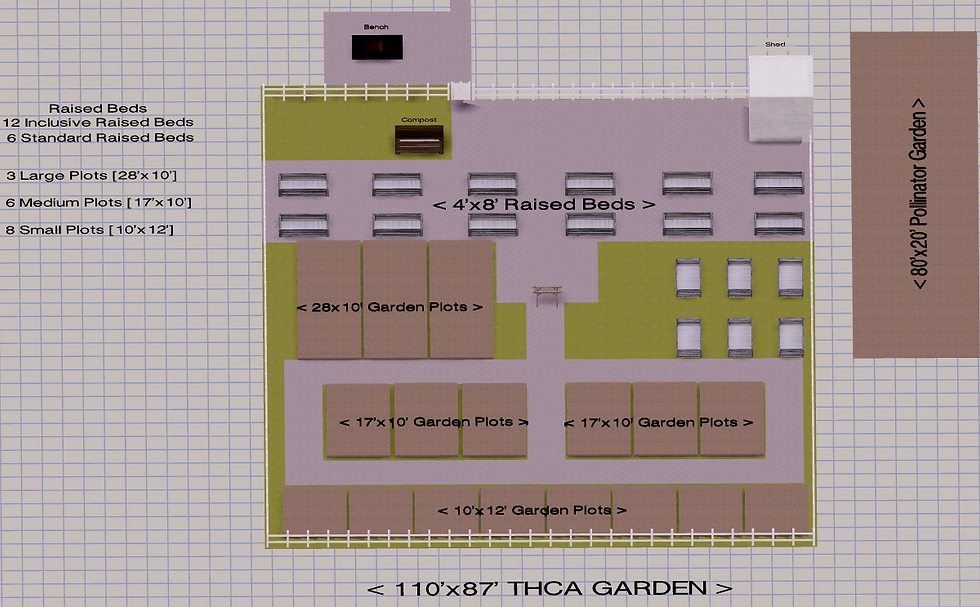
Raised Beds: Raised beds discourage walking and reduce soil compaction. Even a modest height can deter geese from stepping in.
Curved, Irregular Shapes: Straight rows resemble lawns. Curves, clusters, and layered heights disrupt movement.
Hard Edges: Stone, gravel, or wood borders signal an edge birds are less inclined to cross repeatedly.
Living Borders: Dense borders of thyme, chives, lavender, or sage create a natural barrier without fencing.
Managing Soil and Droppings
Waterfowl droppings can add nutrients but also increase pathogen risk. Best practices include:
avoiding planting edible leaves directly at ground level
washing all produce thoroughly
using mulch to create separation between soil and foliage
rotating harvest areas
Dense planting and aromatic mulch such as pine needles or wood chips can further reduce bird interest.
How to Combine These Into a Resilient Garden
A successful layout uses layers:
Outer layer: woody shrubs and tall aromatics
Middle layer: bushy herbs and flowers
Ground layer: dense aromatic groundcovers
This creates a garden that feels crowded and uninviting to birds while remaining beautiful and productive.


Comments