

How to Bolt Root Vegetables
- caragardensinfo
- Apr 15
- 9 min read
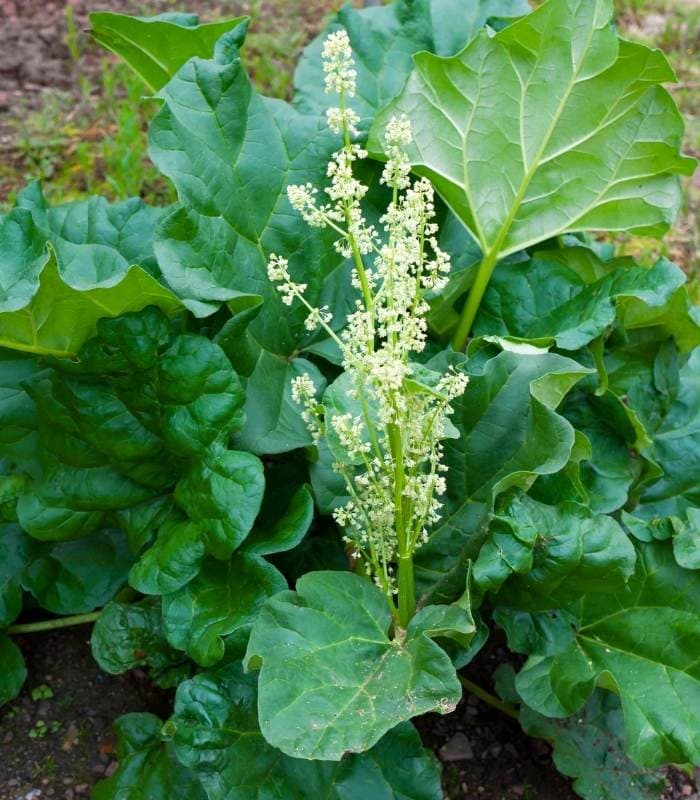
Bolting is the process where a plant shifts from vegetative growth into reproductive growth, sending up a flowering stalk and eventually producing seeds. In most gardening situations, bolting is something people try to prevent, especially with root vegetables, because it reduces root quality.
However, there are times when intentionally bolting root vegetables is useful, particularly for seed saving, breeding, and long term self sufficiency.
Understanding how and why plants bolt allows you to control the process instead of working against it.
What Happens When a Root Vegetable Bolts
Root vegetables such as carrots, beets, radishes, and turnips are typically biennial plants, which means their life cycle is designed to span two growing seasons. Their entire structure and energy use are built around this two phase system.
In the first year, the plant operates in a vegetative state. During this stage:
it produces leaves to capture sunlight through photosynthesis
it converts that energy into sugars and starches
it stores those reserves in the root, which acts as a storage organ
This is the stage gardeners are most familiar with, where the root is harvested for food. The plant is not trying to reproduce yet. It is building energy reserves to survive winter and prepare for the next phase of its life cycle.
In the second year, after experiencing a period of cold, the plant transitions into a reproductive state. This shift is triggered by a process called vernalization, where prolonged exposure to low temperatures signals that winter has passed.
At a biological level, this signal activates hormonal changes within the plant. Growth regulators shift, and the plant begins redirecting its stored energy toward reproduction instead of storage.
Once bolting begins:
energy is mobilized from the root and transported upward to support rapid stem growth
the root begins to lose its density and structure as stored carbohydrates are depleted
cell walls in the root become more rigid and fibrous, leading to a woody texture
flavour compounds change, often becoming more bitter or less palatable
a central flowering stalk, known as a seed stalk, elongates quickly
leaves may become smaller or more spaced as the plant prioritizes vertical growth
flowers form at the top of the stalk, which are then pollinated
seeds develop and mature as the final stage of the plant’s life cycle
This process is not a sign of failure or stress in its natural context. It is the plant completing its intended biological function, which is reproduction.
From a gardening perspective, bolting marks the point where the plant shifts from being a food source to becoming a seed producing organism. The root is no longer the priority. The plant is investing everything it has stored into producing the next generation.
Why You Would Intentionally Bolt Root Vegetables
Most gardeners are taught to avoid bolting because it signals the end of a crop’s edible stage. However, when viewed from a broader biological and long term perspective, bolting becomes one of the most valuable processes in a garden. It transforms a single harvest into a self sustaining cycle.
Encouraging selected plants to bolt allows you to move beyond growing food and begin managing plant genetics, resilience, and ecological function.
Seed saving Allowing root vegetables to bolt is the first step in producing your own seeds.
When a plant flowers and sets seed:
it completes its full life cycle
it produces viable seeds that can be collected and stored
those seeds can be replanted in future seasons
This reduces reliance on commercial seed sources and allows you to maintain varieties over time.
It also ensures continuity. Instead of starting fresh each year, you are working with plants that have already proven themselves in your garden.
Adaptation to Local Conditions Plants that grow, survive winter, bolt, and successfully produce seed in your environment are naturally selected for those conditions.
Over time, this leads to:
improved tolerance to local temperature patterns
better performance in your soil type
increased resilience to regional pests and diseases
more consistent growth and yield
This process is gradual, but powerful. Each generation becomes more aligned with your specific climate and growing conditions.
In Canada, where weather can be unpredictable, this kind of adaptation can make a noticeable difference in plant performance.
Genetic Selection Bolting gives you control over which plants pass on their traits.
By choosing which roots to allow into the reproductive stage, you can select for characteristics such as:
root size and shape
flavour and texture
resistance to splitting or deformities
growth speed and maturity timing
overall plant vigor
This is a form of intentional breeding, even on a small scale.
Instead of growing random outcomes each season, you begin shaping the genetics of your crops based on what performs best in your garden.
Pollinator support When root vegetables bolt, they produce flowers that are often overlooked but highly beneficial.
These flowers:
provide nectar and pollen for insects
attract beneficial species such as bees, hoverflies, and parasitic wasps
increase biodiversity within the garden
Many of these insects play important roles in pest control and pollination.
By allowing some plants to flower, you create a more ecologically active system, where plants and insects support each other.
How to Induce Bolting in Root Vegetables
Bolting in biennial root crops is regulated by vernalization and photoperiod. Most species require a sustained period of cold to trigger flowering competence, followed by increasing day length and warmth to initiate the flowering stalk. Managing these cues allows you to move a plant from root production into seed production with consistency.
Step 1: Allow the Plant to Mature Fully
Select plants that have completed strong first year growth and have stored sufficient reserves.
choose roots that are well formed, true to type, and representative of the variety
avoid plants that are diseased, damaged, split, or off type
mark selected plants in the ground, or harvest and replant them later
The storage root is a carbohydrate reservoir. Larger, healthier roots contain more stored energy, which directly supports successful flowering and seed set in the second season.
Step 2: Provide a Cold Period
Most biennial root vegetables require vernalization, a sustained exposure to low temperatures that enables the plant to transition to reproductive growth.
General guidelines:
carrots, beets, and many brassicas respond to temperatures roughly between 0 and 10°C for several weeks
duration often ranges from 4 to 10 weeks depending on species and variety
the root must remain alive and not desiccate or rot during this period
In Canadian conditions, this can be achieved in two ways:
Overwintering in place
leave hardy crops such as carrots and parsnips in the ground
apply a deep mulch layer to moderate temperature swings and prevent freeze damage
ensure good drainage to avoid rot
Lifting and storing
harvest roots before hard freeze if winters are severe or soils are poorly drained
trim foliage to reduce moisture loss
store in slightly damp sand, sawdust, or peat in a cool space just above freezing
replant in early spring once soil is workable
The key is consistent cold exposure without prolonged deep freezing that damages tissue.
Step 3: Reintroduce Warmth and Increasing Day Length
After vernalization, the plant becomes responsive to longer days and rising temperatures, which triggers bolting.
remove mulch gradually in spring to allow soil warming
replant stored roots upright with the crown just above soil level
ensure full sun exposure, as light intensity supports strong stem development
maintain moderate soil moisture to support renewed growth
At this stage, the plant shifts from storage mode to rapid vertical growth, producing a central flowering stalk.
Step 4: Support the Flowering Stage
Once bolting begins, growth accelerates and structural support becomes important.
stake taller species such as carrots, beets, and parsnips to prevent lodging
space plants adequately to improve airflow and reduce humidity around foliage
maintain consistent watering without waterlogging, as stress can reduce seed quality
remove competing weeds to ensure nutrients are directed toward seed production
During this phase, the plant reallocates stored carbohydrates and nutrients toward flower formation, pollination, and seed development.
Step 5: Allow Seed Development and Proper Harvest Timing
After flowering, successful pollination leads to seed formation. Timing harvest correctly is essential for viability.
allow seed heads to mature fully on the plant until they begin to dry
monitor for colour change, brittleness, and ease of separation
harvest before seeds shatter or disperse naturally
Harvesting methods vary by species:
carrots and many umbellifers produce seeds in clusters that dry unevenly, so multiple harvests may be required
beets produce seed clusters that must dry thoroughly before storage
After harvest:
dry seeds in a well ventilated area out of direct sunlight
ensure seeds are fully dry before storage to prevent mold
store in a cool, dry environment to maintain viability
Important Considerations
many root crops are cross pollinated, especially carrots and beets, so isolation distances or barriers may be needed to maintain varietal purity
some species such as radishes can bolt without vernalization under stress, but seed quality is generally better when produced under controlled conditions
not all roots survive winter in every region, so choosing hardy individuals improves success
Common Root Vegetables That Can Be Bolted
Many root vegetables follow a biennial life cycle, meaning they form roots in the first year and produce flowers and seeds in the second after a cold period. These species can be intentionally bolted for seed production.
carrots
beets
parsnips
turnips
rutabaga
radishes
daikon radish
celeriac
celery
parsley
salsify
scorzonera
burdock
chervil (root types)
Hamburg parsley (root parsley)
Each species has slightly different timing and cold requirements, but the overall biological process remains the same.
What Causes Unwanted Bolting
Unwanted bolting occurs when a plant receives environmental or physiological signals that mimic the conditions of its second year, even though it has not completed a full growth cycle. From the plant’s perspective, bolting is a survival response. If conditions become unstable or signal that its life cycle may be cut short, it shifts toward reproduction to ensure the next generation.
Common triggers include:
sudden temperature fluctuations
Rapid swings between warm and cool temperatures can disrupt normal growth patterns. These fluctuations can confuse the plant’s internal signaling, making it interpret conditions as a seasonal transition rather than a stable growing period.
prolonged cold followed by rapid warming
Exposure to extended cool temperatures, especially early in the growing season, can act as an unintended vernalization period. When temperatures rise quickly afterward, the plant may respond as if it has completed winter and move directly into flowering.
stress from drought or inconsistent watering
Water stress reduces the plant’s ability to maintain steady growth. In response, hormonal changes occur that can trigger early reproductive development as a survival mechanism.
poor soil conditions or nutrient imbalance
Low fertility, compacted soil, or nutrient deficiencies can limit root development. When growth is restricted, the plant may redirect energy toward reproduction rather than continuing vegetative growth.
overcrowding and competition
Plants growing too close together compete for light, water, and nutrients. This stress can accelerate development and increase the likelihood of premature bolting.
root disturbance or transplant shock
Damage to the root system interrupts nutrient and water uptake. This stress can signal the plant to shift into reproductive mode rather than attempting to rebuild the root.
In each of these cases, the plant is not failing. It is responding to stress by attempting to complete its life cycle as quickly as possible.
Important Considerations
once a plant bolts, the root undergoes structural and chemical changes that make it woody, fibrous, or bitter, and no longer suitable for eating
many biennial root crops are cross pollinated, meaning pollen can travel between different varieties of the same species, resulting in seeds that do not grow true to type
isolation distances, timing separation, or physical barriers may be required to maintain genetic purity when saving seeds
not all plants should be allowed to bolt, only those selected for desirable traits such as size, shape, flavour, and overall health
Planning ahead is essential when shifting from food production to seed production. Once bolting begins, the plant has committed to reproduction, and the outcome depends on the conditions and decisions made earlier in the growing cycle.
A Different Way to Use Your Garden
Bolting is often seen as a failure, but it is simply a different stage of plant development. What appears to be the end of a crop is actually the plant completing its intended biological purpose.
When a root vegetable bolts, it is no longer focused on producing food for harvest. It is shifting entirely into reproduction. From the plant’s perspective, this is success, not decline.
By allowing selected plants to complete their life cycle, you move from growing food to producing the next generation of plants. This changes the role of the garden itself. Instead of being a space that only produces crops for consumption, it becomes a system that can sustain and renew itself.
This shift introduces several long term benefits:
you begin to develop seed independence rather than relying on external sources
your plants gradually adapt to your specific soil, climate, and growing conditions
you gain the ability to select and refine traits that matter to you
your garden becomes more resilient to environmental variability over time
It also deepens your understanding of plant biology. You begin to see plants not just as harvestable products, but as organisms with complete life cycles that respond to their environment in predictable ways.
Over time, this approach builds a garden that is more self sustaining, locally adapted, and ecologically integrated.


Comments