

How to Deter Rodents From Your Garden and Home
- caragardensinfo
- Apr 17
- 7 min read
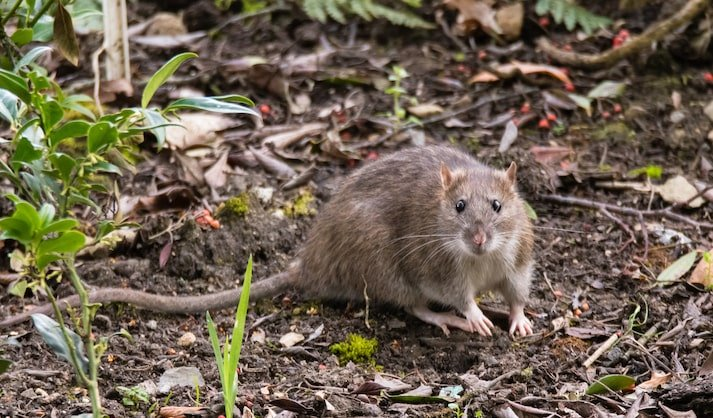
Rodents such as mice and rats are highly adaptable and will settle wherever basic survival needs are met. In both urban and rural areas across Canada, gardens and homes often provide ideal conditions without people realizing it.
Effective control starts with understanding what attracts rodents, followed by making targeted changes that remove those conditions. Long term success comes from prevention, not reaction.
What Attracts Rodents in the First Place
Rodents are not randomly choosing locations. They are responding to environments that meet their basic survival needs. When food, water, and shelter are consistently available in the same space, it creates a stable habitat where rodents can live, reproduce, and expand their population.
Because rodents have fast reproductive cycles and are highly adaptable, even small, overlooked conditions can support long term activity.
Food Sources
Rodents are opportunistic and will eat almost anything that provides energy. They do not require large quantities at once. Instead, they rely on consistent, accessible sources.
Common attractants include:
fallen fruits and vegetables that are left to decompose in garden beds
exposed compost, especially when it contains kitchen scraps
bird seed that accumulates beneath feeders
pet food left outside or in accessible containers
garbage that is loosely sealed or frequently opened
Rodents also:
store food in hidden locations for later use
return to the same feeding areas repeatedly once established
travel along consistent routes between shelter and food sources
Even small amounts of food, if available daily, are enough to support a colony. A single neglected area can become a reliable feeding zone over time.
Water Availability
Water is essential for survival and often overlooked as an attractant.
Rodents are drawn to:
standing water in containers, trays, or low spots in the yard
leaky hoses, irrigation systems, or outdoor taps
damp soil from frequent watering or poor drainage
condensation or moisture buildup in enclosed spaces
They do not require large amounts of water. Small, consistent sources are sufficient, especially when paired with food.
In some cases, rodents obtain moisture from food itself, which means that areas with fresh plant material or food waste can meet both nutritional and hydration needs.
Shelter and Nesting Sites
Shelter is what allows rodents to remain in an area long term. Without it, they are exposed to predators and environmental stress.
Rodents seek out spaces that are:
enclosed or hidden
dry and insulated
close to food and water
Typical shelter areas include:
dense vegetation and overgrown garden edges that provide cover
piles of wood, leaves, or stored materials that create undisturbed spaces
structures such as sheds, decks, and crawl spaces that offer warmth and protection
gaps in foundations, siding, vents, or roofing that allow entry into buildings
Within these areas, rodents build nests using:
plant material
paper or fabric
insulation and debris
Once a nesting site is established, it becomes a central point for breeding and activity.
Seasonal Behavior
Rodent behaviour changes throughout the year based on temperature and resource availability.
during warmer months, rodents tend to remain outdoors where food is abundant
gardens, compost areas, and vegetation provide everything they need
populations often grow during this period due to favourable conditions
As temperatures begin to drop:
rodents increase foraging activity to build energy reserves
they actively search for insulated and protected environments
homes and buildings become highly attractive due to stable warmth
This transition period, especially in early fall, is when rodents begin exploring entry points and establishing indoor nesting sites.
How to Deter Rodents From Your Garden
Rodent deterrence in the garden is not about reacting after damage appears. It is about removing the conditions that allow rodents to live there in the first place. When food, cover, and access are reduced at the same time, the space becomes unsuitable for nesting and feeding.
Reduce Food Availability
Food is the primary reason rodents remain in a garden. Even small, repeated sources are enough to support a population.
harvest crops as soon as they are ready rather than leaving them to overripen
remove fallen fruits, damaged vegetables, and plant debris on a regular schedule
avoid leaving harvested crops or trimmings exposed in beds
use sealed compost bins instead of open piles, especially when adding kitchen scraps
clean up spilled bird seed and position feeders away from garden beds
store animal feed and garden inputs in rodent proof containers
Rodents are creatures of habit. Once they identify a reliable food source, they will return to it repeatedly. Removing that consistency forces them to relocate.
Manage Vegetation and Cover
Rodents avoid open exposure. Dense, undisturbed areas give them protection from predators and allow them to move unnoticed.
keep grass short and maintain clear boundaries between lawn and garden areas
trim back overgrown edges where vegetation meets fences, structures, or wooded areas
prune shrubs to open up the interior and reduce shaded, humid pockets
remove stacked materials such as wood piles, unused containers, or debris
avoid letting sections of the garden remain unmanaged for long periods
Well maintained spaces increase visibility and reduce the sense of security rodents rely on. When they feel exposed, they are far less likely to establish nests.
Protect Garden Beds
Rodents often target the root zone, where food and shelter are both available.
install hardware cloth or fine mesh beneath raised beds to block burrowing from below
line the sides of beds if burrowing pressure is high
use fencing or low barriers around vulnerable crops where necessary
ensure barriers are buried slightly into the soil to prevent digging underneath
rotate crops and avoid repeated planting in the same areas where organic matter accumulates
These physical measures interrupt access to underground spaces where rodents would otherwise feed and nest.
Disrupt Movement Patterns
Rodents follow predictable pathways, often along edges and hidden routes.
keep pathways clear and free of dense plant growth
avoid creating continuous cover between garden beds and structures
break up long stretches of vegetation with open space or barriers
monitor fence lines and borders where rodents tend to travel
By disrupting these routes, you make movement more difficult and increase exposure to predators.
How to Deter Rodents From Your Home
Keeping rodents out of the home is based on two principles: eliminate entry points and remove anything that supports survival once inside. Rodents are persistent and can squeeze through very small spaces, so prevention depends on attention to detail and consistency.
Seal Entry Points
Rodents do not need large openings to enter a home. Mice can fit through gaps as small as a dime, while rats can exploit slightly larger openings.
inspect foundations, siding, rooflines, and where utilities enter the home
check around pipes, vents, cable lines, and door thresholds
look for signs such as droppings, gnaw marks, or greasy rub marks along walls
To seal effectively:
use materials rodents cannot chew through, such as metal mesh, steel wool combined with sealant, or hardware cloth
apply exterior grade sealant to close cracks and gaps
install tight fitting screens over vents, exhaust openings, and attic access points
ensure doors and windows close properly and consider adding weather stripping
Sealing must be thorough. Leaving even a single accessible gap can allow re entry.
Secure Storage Areas
Once inside, rodents look for food and nesting material. Storage areas often provide both.
store all food, including dry goods, in sealed containers made of glass, metal, or thick plastic
avoid leaving pet food out overnight or in open bags
keep pantry shelves organized and easy to inspect
Reduce nesting opportunities:
limit the use of cardboard boxes, especially in basements or garages
store items in sealed bins rather than loose piles
avoid storing fabric, paper, or insulation materials in accessible areas
Rodents prefer quiet, undisturbed spaces. The more organized and visible your storage areas are, the less attractive they become.
Maintain Clean Surroundings
Cleanliness removes the small, consistent food sources that rodents rely on.
wipe down surfaces regularly to remove crumbs and residue
clean under appliances such as stoves and refrigerators where food debris can accumulate
avoid leaving dishes or food waste out overnight
empty indoor garbage frequently and use bins with tight fitting lids
Even minor food residues can sustain rodents. Consistent cleaning removes the incentive for them to remain indoors.
Address Hidden and Overlooked Areas
Rodents often occupy spaces that are rarely checked.
inspect behind walls, inside cabinets, and under sinks for signs of activity
check basements, attics, and crawl spaces for nesting materials or droppings
monitor areas near heat sources, as rodents are drawn to warmth
Early detection allows you to act before a small presence becomes an established problem.
Reduce Indoor Water Sources
Water availability supports long term survival.
fix leaking pipes, faucets, and appliances promptly
avoid leaving standing water in sinks or containers overnight
ensure proper ventilation in damp areas to reduce moisture buildup
Limiting water reduces the ability of rodents to remain inside even if they gain entry.
Natural Deterrence and Behavioural Control
Rodents survive by staying hidden and minimizing risk. When an environment makes them feel exposed, unpredictable, or unsafe, they are far less likely to settle or remain long term. This is where behavioural control becomes effective.
increase lighting in dark areas around the home
Rodents prefer low light conditions where they can move undetected. Adding lighting near entry points, along walls, and around structures reduces their sense of safety and discourages movement.
reduce clutter that provides cover
Piles of materials, dense storage, and unused items create protected pathways and nesting zones. Clearing these areas removes the physical structure rodents rely on to move and hide.
break up continuous shelter zones
Long stretches of dense vegetation, fencing, or stored materials allow rodents to travel without exposure. Interrupting these pathways forces them into open space, increasing risk.
encourage natural predators where possible
Birds of prey, certain mammals, and even some reptiles play a role in controlling rodent populations. Installing owl boxes, maintaining open sightlines, and avoiding excessive habitat for rodents can shift the balance toward predator presence.
limit scent based deterrents to supplemental use
Strong scents such as peppermint or clove may temporarily disrupt rodent behaviour, but they do not address the underlying conditions. Rodents can adapt quickly, especially if food and shelter remain available.
Behavioural control works by making the environment feel unstable and unsafe rather than comfortable and predictable.
Why Elimination Alone Does Not Work
Removing rodents without changing the environment only creates a temporary gap.
If food, water, and shelter are still present:
new rodents will move into the same space, often quickly
remaining individuals will continue reproducing
nearby populations will expand into the available territory
Rodents reproduce rapidly, and vacant space with resources is quickly reoccupied. This is why trapping or removal without environmental change often leads to repeated cycles of infestation.
Elimination addresses the symptom. The environment is the cause.
A Preventative Approach
Long term control comes from proactive management, not reactive measures.
reduce attractants before rodents establish consistent patterns
maintain yard and home conditions that do not support nesting or feeding
inspect regularly for early signs such as droppings, burrows, or gnaw marks
address small issues immediately before they become established problems
Consistency is what creates results. Small changes applied regularly prevent conditions from returning to a state that supports rodent activity.


Comments