

How to Grow Wild Strawberries Successfully in Ontario
- caragardensinfo
- May 21
- 12 min read
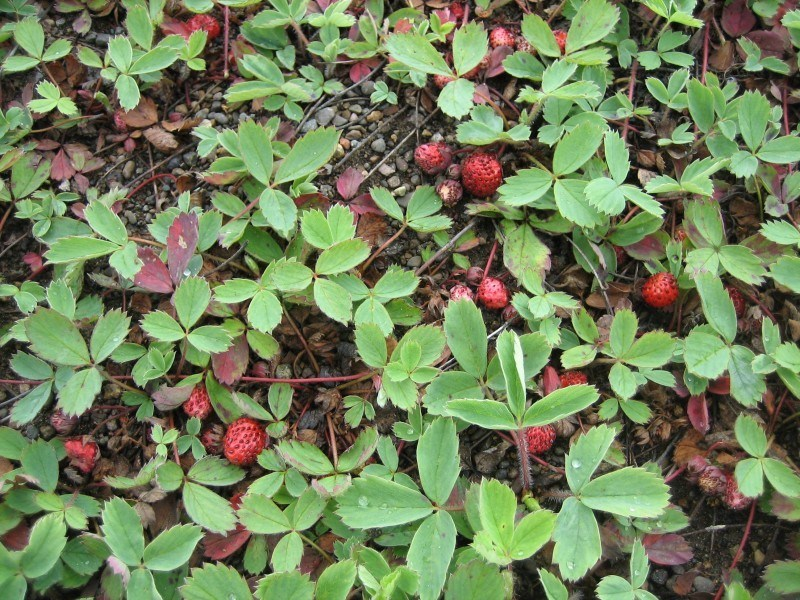
Wild strawberry (Fragaria virginiana) is one of Ontario’s most useful native edible groundcovers. It stays low, spreads naturally by runners, flowers in spring, and produces small red berries with a sweet, concentrated flavour. It is not the same as a large grocery store strawberry, and it should not be judged by the same standards. Wild strawberries are smaller, softer, and more delicate, but they bring far more value to a naturalized garden than fruit size alone.
This plant works beautifully in Ontario because it is already adapted to our climate, seasonal temperature shifts, native pollinators, and local growing conditions. It can be used in edible gardens, pollinator gardens, woodland edges, rock gardens, lawn alternatives, containers, and around the base of taller perennials or shrubs.
Wild strawberries are grown for more than harvest. They are grown for flavour, biodiversity, soil coverage, pollinator support, and the way they help turn empty garden space into something living and productive.
Why Grow Wild Strawberries?
Wild strawberries are a strong choice when you want a plant that is both edible and ecological. They produce fruit, but they also fill an important role as a low-growing living groundcover. Instead of leaving soil bare, they spread across open spaces, helping shade the soil, reduce erosion, soften garden edges, and create habitat at ground level.
Their spring flowers are useful for early-season pollinators, especially small native bees and other insects active before many larger summer flowers begin blooming. Once fruit forms, the berries feed people as well as birds, chipmunks, and other wildlife. This makes wild strawberry a good plant for gardens that are designed to support more than one purpose.
They are especially valuable because they do not demand much space vertically. They can grow beneath taller plants, along pathways, at the front of garden beds, or in places where a taller crop would be awkward. In a native or edible landscape, they help bridge the gap between ornamental planting and food production.
Wild strawberries are useful because they:
support pollinators in spring
produce edible berries
spread into a natural groundcover
help protect exposed soil
grow well in many Ontario garden settings
fit into native, edible, and wildlife-friendly gardens
They are ideal for gardeners who want a plant that is productive, beautiful, low-maintenance, and ecologically useful without needing a large amount of space.
Understanding How Wild Strawberries Grow
Wild strawberry is a low-growing perennial, which means it comes back year after year. Instead of growing as a tall plant, it forms a crown close to the soil and spreads outward using runners. These runners stretch across the ground, root where they touch soil, and create new daughter plants.
This is what allows wild strawberries to form patches over time. A single plant can slowly become a small colony if it is happy. This makes it excellent for groundcover use, but it also means it should be planted where some spreading is welcome.
The plant usually flowers in spring, producing small white blooms that sit above the leaves. After pollination, berries begin to form and ripen from late spring into early summer, depending on weather, sunlight, and location in Ontario.
Fruit production is strongest when the plant receives enough sun, steady moisture, and pollinator activity. In shadier areas, wild strawberries may still grow well and spread nicely, but they usually produce fewer berries. In sunnier areas, they tend to flower and fruit more heavily.
The key to understanding wild strawberry is this: it is not a single-plant crop like a tomato or pepper. It performs best as a patch. The more established the patch becomes, the more useful it becomes as a groundcover, pollinator plant, and small fruit producer.
Best Growing Conditions in Ontario
Wild strawberries are adaptable, but they produce best when their growing conditions mimic the open meadows, woodland edges, and lightly disturbed natural areas where they are commonly found. They do not need perfect soil or heavy fertilizing, but they do need the right balance of sunlight, drainage, and steady moisture.
In Ontario, they are especially useful because they can handle seasonal changes well once established. The main goal is to give them enough light to flower, soil that drains without drying out completely, and moisture during the periods when the plant is putting energy into new roots, flowers, runners, and berries.
Light
Wild strawberries grow in full sun to partial shade, but the amount of light they receive affects how they behave.
In full sun, they usually produce more flowers and berries because the plant has more energy available for reproduction. This is the best placement if your main goal is fruit. In part sun, they may still grow strongly and form a healthy patch, but berry production is often more moderate. In light shade, especially along woodland edges or beneath open shrubs, they can still be valuable as a native groundcover, even if the harvest is smaller.
Best light conditions:
Full sun: strongest berry production
Part sun: good foliage growth with some fruit
Light woodland edge shade: useful for naturalized groundcover plantings
Deep shade is not ideal if you want a reliable harvest. The plants may survive, but they are more likely to produce leaves and runners than a strong crop of berries.
Soil
Wild strawberries prefer soil that drains well but still holds some moisture. They do best in sandy loam, loam, compost-amended garden soil, and raised beds where water does not sit around the crown.
The crown is the central growing point of the plant, so drainage matters. If the soil stays too wet, the crown and roots can rot. If the soil is extremely dry and poor, the plants may survive but spread slowly and produce fewer berries.
Best soil conditions:
sandy loam
loam
compost-amended garden soil
well-drained raised beds
slightly acidic to neutral soil
If your soil is heavy clay, avoid planting wild strawberries in low areas where water collects. Mix compost into the top layer of soil to improve structure, and consider planting them slightly raised so excess water can move away from the crowns.
Moisture
Wild strawberries like consistent moisture, especially while they are establishing and during flowering and fruit development. They do not need to be constantly wet, but they should not be allowed to dry out completely during important growth stages.
Moisture is most important:
after transplanting
during dry spring weather
while flowers and berries are forming
during long summer droughts
when runners are trying to root into the soil
Once established, wild strawberries can handle some dry periods, but drought stress will reduce berry size, slow runner production, and make the patch thinner. A light mulch around the plants can help keep soil moisture steady, but avoid burying the crowns.
How to Plant Wild Strawberries
Wild strawberries can be planted from plugs, divisions, bare roots, or seed. For most gardeners, live plants or divisions are the easiest because they establish faster and produce a patch sooner.
Spring and early fall are the best planting times in Ontario. These cooler seasons give the roots time to settle before the stress of summer heat or winter cold. Spring planting gives the plants the full season to spread. Early fall planting works well too, as long as they have enough time to root before the ground freezes.
Before planting, loosen the soil and mix in a small amount of compost if needed. The goal is not to create overly rich soil, but to give the roots an easy place to establish.
Spacing
Space wild strawberry plants about 8 to 12 inches apart if you want them to fill in as a patch. They may look sparse at first, but the runners will gradually close the gaps as the plants settle in.
For groundcover use, give them room to move. Planting too tightly can create overcrowding, poor airflow, and more disease pressure later. Planting with some space between crowns allows the patch to thicken naturally.
After planting, water deeply so the soil settles around the roots. Keep the soil evenly moist until the plants are established and you see new growth.
The most important planting detail is crown depth. The crown should sit at soil level. If it is buried too deeply, it can rot. If it is planted too high, the roots can dry out. A properly planted wild strawberry should have its roots covered, crown exposed, and leaves sitting above the soil surface.
Growing Wild Strawberries as a Groundcover
Wild strawberry works beautifully as a native edible groundcover because it spreads low across the soil without becoming tall or bulky. This makes it useful in spaces where you want coverage, but still need room for other plants to grow above it.
It can be planted along garden edges, beneath taller perennials, around shrubs, between stepping stones, or in sunny naturalized areas where bare soil would otherwise be exposed. As the plants send out runners, they gradually knit themselves into a living mat. This helps soften hard garden edges, reduce open soil, and create a more finished, natural look.
Unlike some aggressive groundcovers, wild strawberry is usually easier to manage. It spreads, but it does not climb, smother tall plants, or form a dense woody mass. If it moves too far, the runners can be clipped, pulled, or transplanted into another part of the garden.
Good places to use wild strawberry include:
pollinator gardens
native wildflower beds
edible landscapes
berry patches
woodland edge gardens
raised bed edges
pathways and border plantings
around shrubs or young fruit trees
For best results, use it where you want a soft, spreading layer rather than a strict, contained clump. It is especially useful in gardens designed to feel natural, edible, and ecologically active.
Flowering and Berry Production
Wild strawberries usually flower in spring, producing small white flowers with yellow centres. These flowers are simple, open, and easy for pollinators to access. Small native bees, flies, and other early-season insects often visit them when spring food sources are still limited.
After pollination, the berries begin to form close to the ground. They are much smaller than cultivated strawberries, but the flavour is often more concentrated. A ripe wild strawberry should be fully red, fragrant, and easy to detach from the plant. If it is pale, firm, or resisting when pulled, it needs more time.
Because the berries are soft and small, they do not store like grocery store strawberries. They are best eaten fresh, used the same day, or harvested in small batches. Birds, chipmunks, squirrels, ants, and other wildlife may also find them quickly, so checking the patch often during ripening season makes a big difference.
For better berry production:
grow plants in full sun or strong part sun
keep soil evenly moist during flowering and fruiting
avoid heavy nitrogen fertilizer
allow pollinators to access the flowers
harvest ripe berries regularly
let the patch mature before expecting a heavy yield
Too much nitrogen can push the plant into leafy growth instead of flowers and fruit. A light compost top dressing is usually enough. The strongest harvests usually come from established patches that have had time to spread, root deeply, and build enough energy to support consistent flowering.
Fertilizing Wild Strawberries
Wild strawberries do not need heavy feeding to perform well. In fact, too much fertilizer can work against you. When soil is overly rich in nitrogen, the plants may produce plenty of leaves and runners, but fewer flowers and berries.
For most Ontario gardens, a light annual top dressing of compost is enough. This gently improves soil structure, supports microbial activity, and gives the plants a slow release source of nutrients without forcing excessive leafy growth.
Good options include:
compost in spring
leaf mold
small amounts of aged manure
light organic berry fertilizer if the soil is poor
Apply compost around the plants rather than burying the crowns. The crown should stay exposed at soil level so it does not rot. If using aged manure or fertilizer, keep it light. Wild strawberries are not heavy feeders like tomatoes, squash, or corn.
Avoid strong synthetic fertilizers unless a soil test shows a clear deficiency. The goal is steady plant health, not forced growth.
Managing Runners
Runners are the main way wild strawberries spread. Each runner can form a new plant where it touches the soil, which is how a small planting slowly becomes a patch.
This is useful if you want groundcover, but it can become untidy in formal beds or small spaces. The key is deciding whether you want the plant to spread freely, fill a specific area, or stay more contained.
You can manage runners by:
trimming them with scissors
redirecting them into empty spaces
pinning them into soil where you want new plants
lifting rooted runners and transplanting them elsewhere
If your goal is a dense groundcover, allow some runners to root naturally. If your goal is stronger crowns and better berry production, remove some excess runners so the parent plants keep more energy for flowering and fruiting.
A good balance is to let the patch expand where you want coverage, then trim anything that moves into pathways, neighbouring plants, or areas where it may become inconvenient.
Pests and Wildlife
Wild strawberries are part of the food web, so it is normal for wildlife and insects to use them. Birds, chipmunks, squirrels, ants, slugs, and small beetles may all visit the patch, especially once berries begin to ripen.
This does not mean the plant is failing. It means the plant is doing what a native edible species does: feeding more than just the gardener.
Common visitors include:
birds
chipmunks
squirrels
slugs
ants
small beetles
In most gardens, damage is minor unless the patch is small or the berries are limited. The easiest way to stay ahead of wildlife is to check the plants daily during ripening season and pick berries as soon as they are fully red.
If you want to protect more of the harvest, lightweight netting can help, but it must be secured carefully. Loose netting can trap birds, snakes, or small mammals, so it should be pulled tight, anchored properly, and checked often.
Slugs are more likely when the patch is too damp, too crowded, or heavily mulched over the crowns. To reduce slug issues, improve airflow, avoid thick wet mulch directly around the plants, remove rotting fruit, and harvest ripe berries quickly.
Disease Prevention
Wild strawberries are generally hardy, but disease can show up when the patch becomes too dense, too damp, or poorly ventilated. Most issues are related to excess moisture sitting on leaves, fruit, or crowns for too long.
The goal is not to keep the patch perfectly sterile. The goal is to create conditions where the plants dry out between watering and where air can move through the foliage.
To prevent disease:
avoid overhead watering when possible
water near the soil instead of soaking the leaves
space plants so air can move through the patch
remove rotting berries quickly
trim overcrowded runners and old leaves
avoid planting in soggy soil
refresh mulch lightly if fruit is sitting directly on bare soil
Healthy airflow is one of the best disease prevention tools. A wild strawberry patch can be full and productive without becoming matted and damp. If the patch starts to feel too thick, thinning a few runners or removing older leaves can help reduce fungal pressure without harming the planting.
Winter Care in Ontario
Wild strawberries are perennial and usually overwinter well in Ontario once established. Because they grow close to the ground, they benefit from natural snow cover, which helps insulate the crowns from extreme cold and temperature swings.
The bigger winter risk is not always cold itself, but repeated freeze and thaw cycles. When soil heaves, crowns can be pushed upward and exposed. In colder, windy, or open areas, a light winter mulch can help protect the plants.
Use loose mulch such as:
straw
shredded leaves
pine needles
clean dry grass clippings in a thin layer
Apply mulch after the ground begins to freeze, not too early in fall. If mulch is added too soon, it can trap warmth and moisture around the crowns, which may encourage rot.
In spring, gently pull the mulch back once new growth begins. Do not remove all protection too aggressively if hard frosts are still expected. The goal is to expose the crowns enough for healthy growth while still protecting them from late cold snaps.
Growing in Containers
Wild strawberries can grow well in containers, especially wide shallow planters, hanging baskets, window boxes, and patio troughs. Because they spread by runners, they often look better in wider containers than in narrow deep pots.
Containers are useful if you want wild strawberries close to a patio, balcony, walkway, or children’s garden where the berries are easy to see and pick. They can also be mixed with other low-growing edible or pollinator plants as long as they are not crowded out.
Container tips:
use well-drained potting mix
choose a pot with drainage holes
keep soil evenly moist
place in full sun to part sun
avoid letting pots dry out completely
trim runners if the plant becomes crowded
overwinter containers in a protected spot
Containers dry out faster in summer and freeze harder in winter than plants in the ground. For winter, move pots against a sheltered wall, sink them into the ground, or insulate around the container with leaves, straw, or burlap. Small pots are more vulnerable than large planters because the roots have less protection from temperature swings.
Harvesting Wild Strawberries
Harvest wild strawberries when they are fully red, fragrant, and soft. They should come off the plant easily when ripe. If the berry is still pale, firm, or difficult to pull, it needs more time.
Wild strawberries are delicate and do not store well, so they are best eaten fresh or used shortly after picking. Their flavour is usually strongest when they are harvested in warm weather and eaten the same day.
They can be used for:
fresh eating
tea blends
desserts
small batch jams
fruit syrups
garnishes
freezing in small amounts
Because the berries are small, it may take time to gather enough for recipes. Many gardeners use them more as a seasonal treat than a large fruit crop.
The leaves can also be dried for tea, but only harvest healthy, unsprayed leaves. Avoid taking too much from young plants, since the leaves are what feed the crown and support future flowering, runners, and berry production. A mature patch can handle light leaf harvesting better than a newly planted one.

Comments