

Native Squirrels in Ontario: What They Eat and How to Peacefully Protect Your Garden
- caragardensinfo
- May 31
- 13 min read
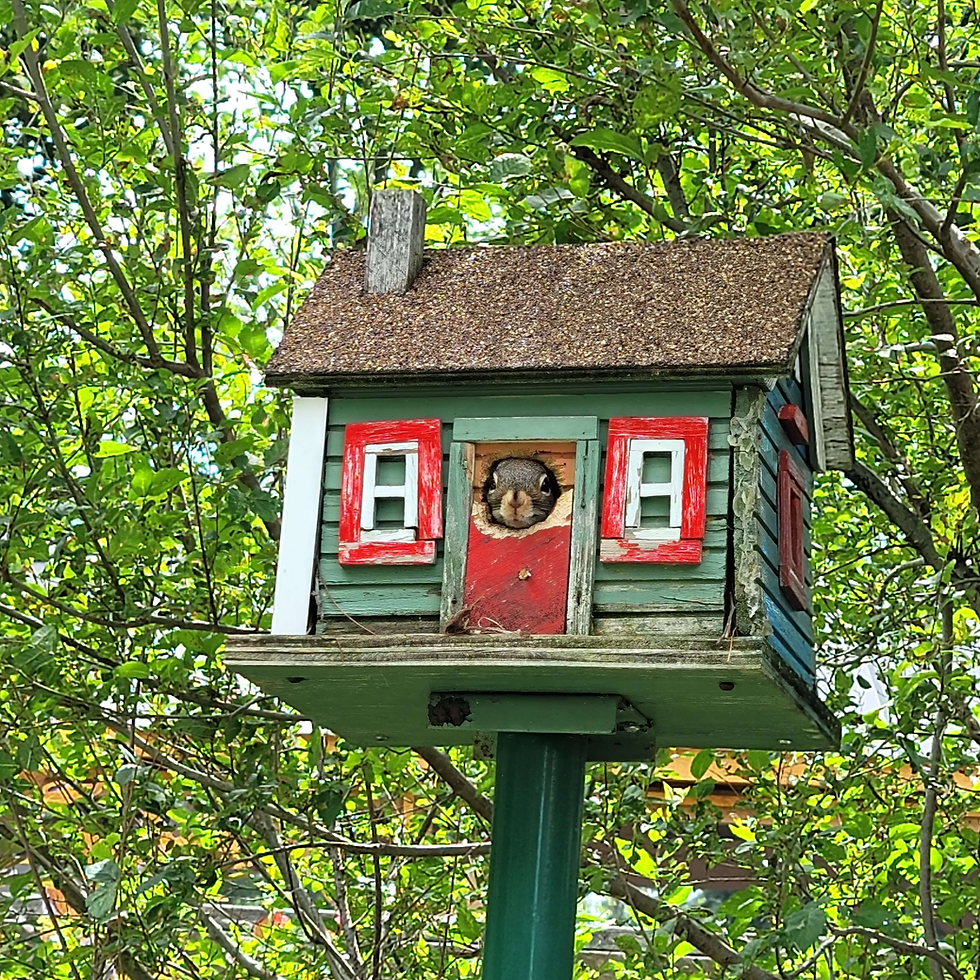
Squirrels are some of the most familiar wildlife in Ontario. They are quick, intelligent, adaptable, and extremely skilled at finding food. They can remember food locations, recognize safe travel routes, and adjust their behaviour around people, pets, feeders, gardens, and buildings. This is why they often seem one step ahead of gardeners.
While it can be frustrating to find holes in planters, missing berries, dug up bulbs, or half-eaten tomatoes, squirrels should not be viewed only as pests. They are native animals with real ecological value. Their behaviour may conflict with gardens, but that behaviour comes from survival instincts, not destruction for the sake of it.
The best approach is to understand what they are looking for and why they keep returning. Once you know what attracts them, it becomes much easier to protect your plants without harming the animals.
Why Squirrels Matter
Squirrels play an important role in seed movement and forest regeneration. Many species collect nuts and seeds, then bury them in different locations as food storage. This is called caching. Since squirrels do not recover every stored seed, some of those forgotten caches eventually germinate and grow into new trees or shrubs.
This behaviour helps spread species such as oaks, walnuts, hickories, beeches, and other nut or seed producing plants. In this way, squirrels act as accidental gardeners within the ecosystem.
They are also an important food source for predators. Hawks, owls, foxes, coyotes, snakes, fishers, weasels, and other animals all rely on small mammals as part of their diet. Squirrels help move energy through the food web, connecting plants, seeds, predators, and forest systems.
In a garden, the issue is usually not that squirrels are bad animals. The issue is that human spaces often create perfect squirrel habitat. Gardens provide soft soil for digging, fruit and vegetables for feeding, bird seed for easy calories, sheds and decks for shelter, and fences or trees for safe movement.
Native Squirrels and Squirrel Relatives in Ontario
Ontario is home to several native members of the squirrel family. This includes tree squirrels, flying squirrels, chipmunks, ground squirrels, and marmots. Although they are related, they do not all behave the same way.
Some spend most of their time in trees. Some live mostly on the ground. Some are active during the day, while others are nocturnal. Some are likely to dig in planters or raid bird feeders, while others are rarely seen in gardens at all.
This matters because peaceful deterrence works best when you know which animal you are dealing with. A grey squirrel stealing tomatoes, a chipmunk digging holes in loose soil, and a woodchuck eating leafy greens are all different problems that require different solutions.
Understanding the species helps you respond properly. Instead of treating all squirrel activity the same way, you can identify what they are eating, where they are nesting, how they are accessing the space, and what can be changed to make your garden less appealing.

Eastern Grey Squirrel
The Eastern grey squirrel is one of the most common squirrels in southern and urban Ontario. It is highly adaptable and often does well around people because cities and suburbs provide mature trees, bird feeders, gardens, garbage, sheds, rooflines, and nesting spaces.
The black squirrel is not a separate species. It is a dark colour form of the Eastern grey squirrel. Both grey and black forms behave the same way and eat the same general foods.
Their primary diet includes acorns, walnuts, beechnuts, seeds, buds, flowers, fruits, fungi, and occasionally insects, bird eggs, or small animal matter. In gardens, they are often the ones digging in pots, burying food in loose soil, raiding bird feeders, chewing on tomatoes, taking strawberries, or sampling fruit before it is fully ripe.
Eastern grey squirrels are strong climbers and skilled problem solvers, so simple deterrents rarely work by themselves. Physical barriers, secured feeders, covered soil, and quick harvesting are usually more effective than scent based repellents alone.

American Red Squirrel
The American red squirrel is smaller than the Eastern grey squirrel and is often more vocal, territorial, and energetic. It is commonly found in coniferous and mixed forests, but it may also appear near homes where spruce, pine, cedar, fir, or other seed producing trees are present.
Their primary diet includes conifer seeds, nuts, buds, berries, mushrooms, tree sap, and occasionally insects. Red squirrels are known for storing cones and food in caches, which they defend aggressively from other animals.
In gardens, red squirrels are not usually as destructive as grey squirrels, but they can still dig in containers, raid bird feeders, and investigate soft soil. They are more likely to be a problem near wooded properties, cottage areas, or yards with mature evergreens.
Because they depend heavily on tree seeds and forest edges, reducing feeder spills and protecting containers is usually more important than trying to exclude them from the entire yard.

Northern Flying Squirrel
The northern flying squirrel is nocturnal, secretive, and rarely seen compared to daytime squirrels. It does not truly fly. It glides between trees using a flap of skin called a patagium, which stretches between the front and back legs.
Its primary diet includes fungi, lichens, seeds, nuts, buds, insects, tree sap, and sometimes fruit. One of its most important ecological roles is spreading fungal spores, including mycorrhizal fungi that help support tree root systems. This makes flying squirrels especially important in mature forest ecosystems.
Because northern flying squirrels are active at night and strongly associated with wooded habitats, they are usually not the main animal damaging vegetable gardens. They may visit feeders or fruit trees in some areas, but they are much less likely to be the obvious daytime garden thief.
If present, they are better understood as forest wildlife rather than a typical garden pest.

Southern Flying Squirrel
The southern flying squirrel is also nocturnal and occurs in parts of southern Ontario, especially mature deciduous forests and wooded areas with tree cavities. Like the northern flying squirrel, it glides rather than flies and is usually active when people are not watching.
Its primary diet includes nuts, seeds, berries, fruit, fungi, insects, bird eggs, and tree sap. It is more omnivorous than many people realize, but it still relies heavily on forest structure, tree cavities, and canopy movement.
In gardens, southern flying squirrels are not usually the main issue unless there are fruit trees, feeders, or access to buildings. Because they are nocturnal, damage may be noticed without the animal being seen.
They are more likely to use tree cavities, nest boxes, attics, or wooded edges than open vegetable beds. If they are entering buildings, humane exclusion should only happen after confirming young are not trapped inside.

Eastern Chipmunk
The Eastern chipmunk is a native member of the squirrel family and one of the most common small mammals in Ontario gardens. Unlike tree squirrels, chipmunks spend most of their time on or near the ground. They create burrows with tunnels, sleeping chambers, and food storage areas.
Their primary diet includes seeds, nuts, berries, fungi, roots, bulbs, insects, grains, and tender plant material. In gardens, chipmunks may dig small holes, take freshly planted seeds, nibble berries, disturb bulbs, and store food underground.
They are often responsible for neat little holes in beds, planters, and loose soil. Unlike larger squirrels, chipmunks usually cause smaller, scattered damage, but they can become frustrating when they repeatedly dig in containers or newly seeded areas.
The best deterrents are soil covers, mesh over freshly planted areas, secure compost, and removing easy food sources such as spilled bird seed.
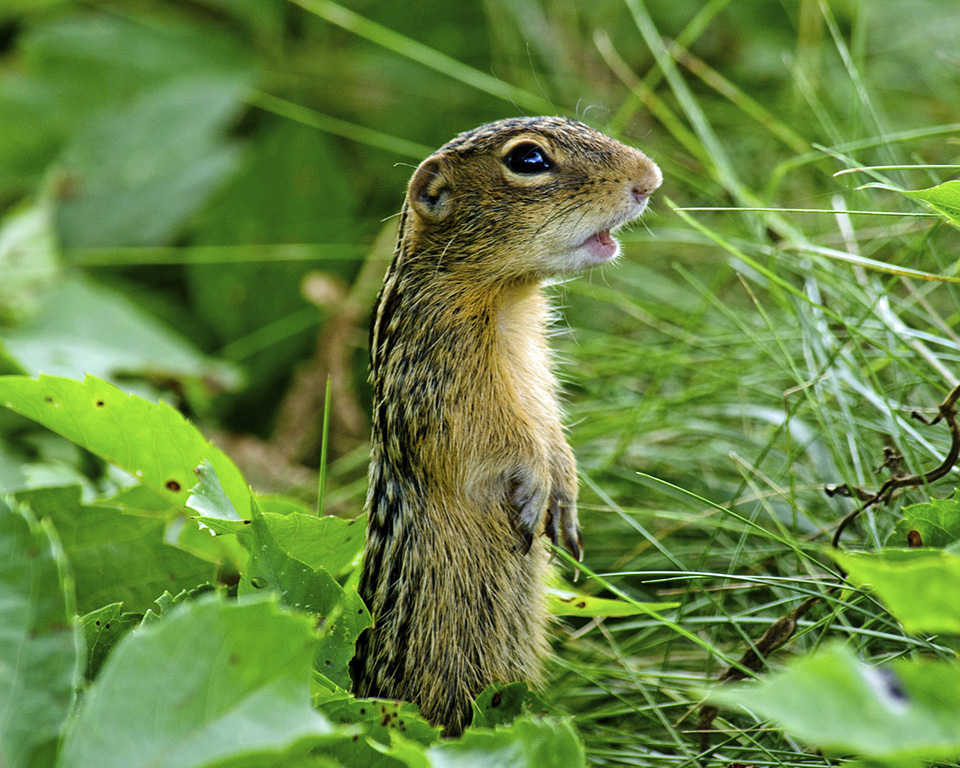
Thirteen Lined Ground Squirrel
The thirteen lined ground squirrel is a native ground dwelling species found in parts of Ontario, especially open grasslands, fields, roadsides, lawns, and disturbed open habitats. It is less common in typical urban backyards than grey squirrels or chipmunks, but it may appear in rural or open areas.
Its primary diet includes grasses, seeds, insects, roots, and some cultivated crops. Because it lives in burrows, it can cause issues in lawns, fields, and open garden spaces where soil is easy to dig.
Unlike tree squirrels, this species relies on open visibility to watch for predators. It usually avoids dense forest and heavily covered areas. If it becomes an issue, the focus should be on reducing food access, protecting crops, and discouraging burrow establishment in high use spaces.

Least Chipmunk
The least chipmunk is found in parts of northern and northwestern Ontario. It is smaller than the Eastern chipmunk and tends to prefer open woodlands, forest edges, rocky areas, shrublands, and brushy habitat.
Its primary diet includes seeds, berries, nuts, grasses, fungi, and insects. Like other chipmunks, it gathers food and uses ground level cover for movement and safety.
In gardens, it may behave similarly to the Eastern chipmunk by gathering seeds, digging in loose soil, and using planted areas for cover. However, for many people in southern Ontario, it is less likely to be encountered than the Eastern chipmunk.
Where present, peaceful deterrence is similar: protect seeds, cover loose soil, reduce feeder spills, and avoid creating easy hiding routes directly into garden beds.
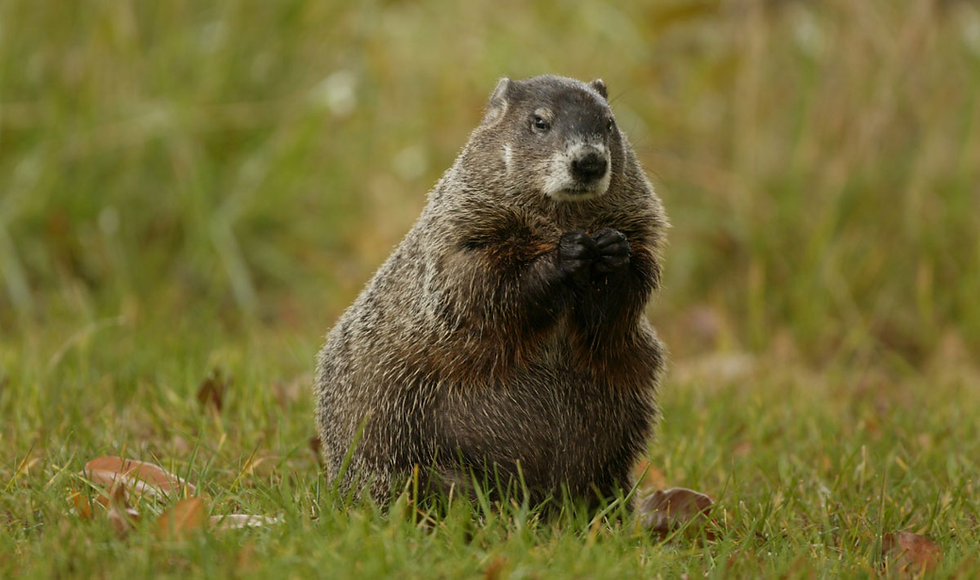
Woodchuck
The woodchuck, also called the groundhog, is part of the squirrel family, even though most people do not think of it as a squirrel. It is native to Ontario and can be one of the most damaging garden visitors because it eats large amounts of vegetation.
Its primary diet includes grasses, clover, dandelion, leafy greens, garden vegetables, flowers, beans, peas, squash leaves, brassicas, and many tender plants. Unlike tree squirrels that may sample fruit or dig in soil, woodchucks can remove whole sections of a garden by grazing.
They also dig large burrows, often near sheds, decks, fences, brush piles, and garden edges. These burrows can create structural concerns if they are close to foundations or outbuildings.
Peaceful deterrence for woodchucks usually requires stronger physical barriers than squirrel deterrence. A fence should be sturdy, partially buried, and ideally angled outward at the bottom to prevent digging underneath. Because they are strong diggers and persistent feeders, scent deterrents alone are rarely enough.
What Attracts Squirrels to Your Garden
Squirrels are drawn to gardens because gardens often provide everything they need in one convenient place: food, shelter, water, and easy digging. They are not usually visiting at random. They are responding to patterns, especially areas where food appears regularly or soil is easy to disturb.
Common attractants include seeds, nuts, bird feeders, soft soil, mulch, compost, fallen fruit, tomatoes, strawberries, squash, corn, bulbs, freshly planted seeds, and dense shrubs or trees nearby. To a squirrel or chipmunk, a garden can look like a safe feeding and storage area. Loose soil is especially attractive because many squirrel species cache food, meaning they bury nuts, seeds, and other items for later. Freshly planted containers, raised beds, and mulched areas are easy to dig, so they often become favourite spots.
Bird feeders are one of the biggest attractants. Even if squirrels cannot reach the feeder itself, spilled seed on the ground can keep them returning every day. Once they learn that your yard provides easy calories, they may begin exploring nearby planters, beds, fruiting plants, and compost as well.
The strongest attractants are usually:
bird seed and fallen feeder waste
loose potting soil or freshly disturbed garden beds
ripe or almost ripe fruit
exposed compost or food scraps
bulbs, seeds, and seedlings
dense cover near the garden
trees, fences, sheds, or decks that create easy travel routes
The key is understanding that squirrels return to places that are predictable. If your garden regularly offers food and easy digging, they will keep checking it.
How to Peacefully Deter Squirrels From Eating Your Plants
The goal is not to harm squirrels. The goal is to make your garden less convenient, less rewarding, and harder to access. Squirrels are persistent and intelligent, so one method rarely solves the problem on its own. The best results come from layering several gentle deterrents together.
Instead of trying to scare them away permanently, focus on changing what they can access. Protect the plants most likely to be damaged, remove easy food sources, and make digging less appealing.
Use Physical Barriers
Physical barriers are the most reliable way to protect vulnerable plants because they do not depend on scent, sound, or temporary fear. A squirrel may ignore a smell or get used to a moving object, but it cannot eat what it cannot reach.
Use hardware cloth, wire mesh, cloches, row cover hoops, fruit cages, or protective netting to cover crops that are commonly targeted. This is especially helpful for strawberries, tomatoes, young seedlings, bulbs, freshly planted seeds, and container gardens.
For containers, place mesh over the soil surface after planting so squirrels cannot dig. You can cut openings for plant stems while keeping the rest of the soil covered. For bulbs, lay hardware cloth over the planting area and cover it lightly with soil or mulch. The bulbs can grow through the openings, but squirrels will have a harder time digging them up.
For raised beds, a removable mesh frame works well. It can protect seedlings during their most vulnerable stage and then be removed or adjusted once plants are larger. This is especially useful after direct sowing beans, peas, corn, squash, sunflowers, or other seeds that attract digging.
Protect Freshly Planted Seeds and Seedlings
Squirrels and chipmunks are most likely to dig where soil has recently been disturbed. Fresh soil signals opportunity. To them, a newly planted bed or container looks like an easy place to search for food or bury something for later.
This is especially common after planting seeds, bulbs, transplants, or anything in loose potting mix. Even if they are not trying to eat the plant itself, the digging can expose roots, disturb seedlings, or completely uproot young plants before they establish.
After planting seeds, cover the area with mesh, row cover, chicken wire, hardware cloth, or a light protective frame. The goal is to protect the soil surface until the plants are large enough to tolerate minor disturbance. Once seedlings are established and rooted, the barrier can often be removed, raised, or adjusted.
For containers, make the soil surface harder to access. Adding flat stones, pinecones, small sticks, coarse mulch, or a fitted mesh cover can make digging less appealing. This is especially helpful for herbs, strawberries, flowers, bulbs, and newly planted vegetables.
Remove Easy Food Sources
If squirrels are being fed indirectly, they will keep coming back. A garden can become part of their daily route when food is predictable.
Common indirect food sources include fallen fruit, spilled bird seed, exposed compost, unsecured garbage, pet food, and ripe produce left too long on the plant. Even small amounts can encourage repeat visits.
To reduce attraction, clean up fallen fruit, remove spilled bird seed, secure compost, avoid leaving pet food outdoors, and harvest ripe produce quickly. If you use bird feeders, choose squirrel-resistant designs and place them away from vegetable beds, planters, and fruit crops.
Reducing easy food will not remove squirrels from the area completely, but it changes the reward pattern. If your yard stops being an easy feeding site, they are less likely to check your garden as often.
Use Decoy Feeding Carefully
Some gardeners use a small decoy feeding area away from the garden to redirect squirrels. This might include a squirrel feeder with corn, sunflower seeds, or nuts placed far from vegetable beds.
This can sometimes reduce pressure on crops, but it can also backfire. If too much food is offered, it may attract more squirrels, chipmunks, raccoons, or rodents into the area. It can also train wildlife to associate your yard with food.
If you use decoy feeding, keep it limited and place it far from the garden. Do not provide unlimited food, and avoid placing it near sheds, decks, fences, or the house. The goal is temporary distraction, not supporting a larger population.
Choose Squirrel-Resistant Planting Strategies
Squirrels are less interested in some strongly scented, textured, or less palatable plants. These will not stop a determined squirrel, but they can make certain areas less attractive.
Around vulnerable crops, you can use aromatic herbs and stronger scented plants as a soft deterrent. Useful options include mint in containers, lavender, thyme, sage, oregano, chives, garlic chives, marigolds, and alliums.
These plants work best as part of a layered strategy. They may help reduce casual digging or browsing, especially around garden edges, but they should not replace barriers for high-value crops like strawberries, tomatoes, bulbs, corn, or seedlings.
Avoid planting mint directly in garden beds unless you want it to spread aggressively. Keep it in containers where it can provide scent without taking over the space.
Protect Fruit Crops Before They Ripen
Squirrels often target fruit right before it is fully ripe because that is when sugars, scent, and moisture are highest. Strawberries, tomatoes, apples, pears, grapes, raspberries, blueberries, and other soft fruits can all become targets once squirrels learn where the food is.
The best time to protect fruit is before damage begins. If you wait until squirrels have already found the crop, they may return daily to check it. At that point, deterrence becomes harder because the garden has already become part of their feeding route.
Good protection options include netting, organza bags, mesh cages, fruit sleeves, or lightweight exclusion frames. For strawberries and low berries, a raised mesh cover works well. For tomatoes or grapes, individual fruit bags or larger cages may be more practical. For fruit trees, netting can help, but it must be installed carefully.
Netting should always be tight, secure, and checked often. Loose netting can trap birds, snakes, chipmunks, or small mammals. The goal is to protect the crop without creating a hazard for wildlife.
Make Digging Less Appealing
Squirrels and chipmunks are naturally drawn to loose, open soil because it is easy to dig and useful for caching food. Fresh potting soil, newly planted beds, and soft mulch are especially attractive.
To reduce digging, cover exposed soil with materials that make the surface harder to disturb. Coarse mulch, flat stones, pinecones, sticks, or fitted mesh can all help. In containers, a layer of river stones or chicken wire placed just under the surface can protect roots while still allowing water to move through.
This is especially useful for herbs, bulbs, newly planted annuals, seedlings, strawberries, and container vegetables. The point is not to block the plant from growing. It is to remove the easy digging surface that makes the area appealing.
Block Access to Structures
If squirrels are nesting in sheds, attics, garages, rooflines, or under decks, garden damage may increase because they are living close to the food source. A squirrel that nests nearby is more likely to repeatedly explore the same beds, planters, feeders, and fruiting plants.
Check structures for entry points such as loose vents, roof gaps, broken soffits, holes in siding, damaged screens, or openings around sheds and decks. Seal gaps with durable materials such as metal mesh, hardware cloth, and proper exterior repairs.
Before sealing anything, make sure no animals are trapped inside. This is especially important during nesting season. If squirrels are actively nesting in a home or structure, a humane wildlife professional is usually the safest option.
You can also reduce access by trimming branches that touch or overhang roofs, fences, garages, or sheds. Squirrels are excellent climbers, so access control is about reducing easy routes rather than expecting to keep them off every surface.
Use Motion and Disturbance
Squirrels dislike unpredictability. Motion-activated sprinklers, reflective tape, garden spinners, moving ornaments, and changing visual deterrents can reduce visits, especially in smaller gardens or specific problem areas.
These tools work best when they are moved or changed regularly. Squirrels are intelligent and can quickly learn that something is harmless if it stays in the same place and never changes.
Motion deterrents should be treated as support tools, not the main solution. They are most effective when combined with barriers, food cleanup, and soil protection.
What Not to Do
Avoid poison, glue traps, illegal relocation, sticky substances, sharp objects, unsafe netting, or any deterrent that can injure wildlife. These methods can cause suffering, harm pets, poison predators, or create legal and ecological problems.
Relocation is also not a simple solution. Moving wildlife can separate mothers from young, spread disease, place animals into unfamiliar territory, or violate local rules. It may also fail because new squirrels can simply move into the same attractive space.
The goal is not punishment. The goal is prevention, access control, and peaceful redirection.
Best Peaceful Deterrent Combination
For most gardens, the strongest approach is layered prevention.
Cover seedlings with mesh until they are established. Protect fruit before it ripens. Keep bird seed, fallen fruit, compost, and pet food cleaned up. Make container soil harder to dig. Use raised barriers around high-value crops. Remove easy shelter and block access points near the home.
No single method works perfectly by itself. Squirrels are persistent, but they are also practical. If your garden becomes harder to access, less rewarding, and less convenient, they are more likely to move on to easier food sources.

Comments