

The Best High Producing Sunflowers for Seeds, Oil, Continuous Bloom, and Ornamental Value
- caragardensinfo
- Apr 20
- 11 min read
Sunflowers are one of the most adaptable crops you can grow because their purpose changes depending on the genetics you choose. Some are built to concentrate all their energy into a single, massive seed head, while others spread that energy across dozens of blooms over time. This allows them to serve very different roles in the same garden.
some varieties are focused on maximum seed yield per plant, producing large heads packed with edible seeds
others are bred for oil production, where seed size is smaller but oil content is higher
branching types are designed for continuous flowering, producing multiple blooms over an extended period
ornamental types prioritize colour, structure, and visual impact, while still contributing to pollinator activity
Because of this range, sunflowers can function as a food crop, a pollinator plant, a structural element in the garden, or all three at once.
Why Variety Selection Matters in Canada
In Canadian growing conditions, sunflowers are generally reliable, but performance still depends on choosing the right type for your goals and season length.
large single head varieties require more time to fully mature their seeds
oil types often mature more uniformly but still need stable warmth
branching varieties tend to be more forgiving and extend bloom time even if weather fluctuates
ornamental types vary widely, with some better suited to shorter seasons than others
Shorter growing seasons mean that timing and maturity rate matter. Early to mid season varieties are often more reliable, especially in regions with cooler summers or early fall conditions.
Matching the right sunflower type to your environment ensures:
proper seed development
consistent flowering
full use of the growing season
Understanding the Four Productive Categories
Breaking sunflowers into categories helps define their purpose and how they should be used.
seed head production focuses on a single large bloom with maximum seed density
oil production prioritizes seed composition rather than size, producing higher oil content
branching types produce multiple blooms over time, increasing total flower output rather than single head yield
ornamental varieties offer unique colours and forms, often with extended bloom periods that support pollinators
Each category represents a different strategy. Some maximize output per plant, while others maximize output over time.
How to Maximize Sunflower Production
Sunflowers are generally low maintenance, but their productivity improves significantly when basic conditions are optimized.
planting in full sun is essential, as sunflowers depend on high light levels to drive growth and seed development
well drained soil prevents root stress and supports strong establishment
proper spacing allows each plant to develop fully without competing for nutrients or light
consistent watering during early growth helps establish strong stems and root systems
tall varieties benefit from support in exposed areas, as wind can reduce stability and yield
harvesting seed heads at the right stage ensures maximum seed quality and prevents loss
removing spent blooms on branching types encourages the plant to continue producing new flowers
While different types have slightly different needs, all sunflowers respond well to stable conditions and consistent care.
Building a More Productive Garden
A mixed planting approach provides the best overall results, especially when space allows for variety.
large head types provide bulk seed harvest from a small number of plants
oil varieties add another layer of utility, especially for processing or wildlife support
branching types extend the flowering period and maintain pollinator activity
ornamental types add diversity, structure, and visual appeal
Combining these categories creates a system where:
some plants are producing seeds
others are flowering continuously
and others are supporting biodiversity
This layered approach increases both productivity and resilience.
Seed Head Sunflowers (Large Yield Per Plant)
Seed head sunflowers are bred to concentrate their energy into one dominant flower per plant, resulting in a large central disk densely packed with seeds. Unlike branching types that spread production across many smaller blooms, these varieties focus on maximizing total seed output from a single head.
This growth habit makes them especially useful for:
harvesting edible seeds for food or storage
feeding birds and wildlife
saving seed for future planting
producing a high yield from fewer plants
Because all energy is directed into one main head, these sunflowers tend to grow tall with thick stems that support the weight of developing seeds. The size and density of the seed head are directly influenced by sunlight, spacing, and soil fertility.

1. Mammoth Grey Stripe
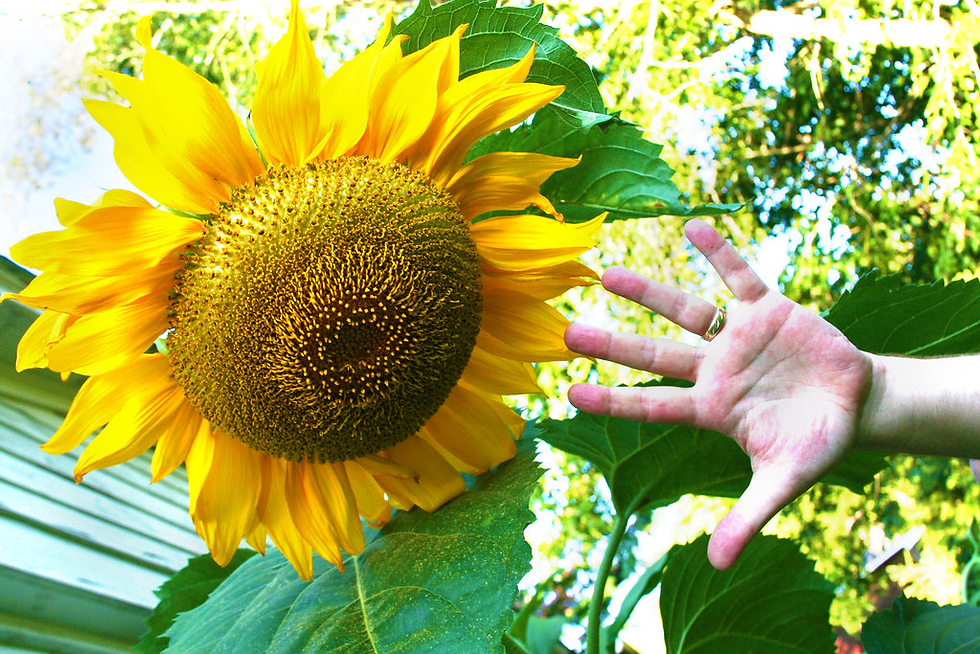
Mammoth Grey Stripe is one of the most recognized seed sunflowers, known for its very large heads and oversized striped seeds. The seeds are easy to harvest and ideal for snacking. The plant grows tall and performs reliably in a wide range of conditions, making it a consistent choice for seed production.
2. Mammoth
Mammoth is a traditional giant variety valued for its extremely large flower heads and high seed volume. It performs best in open spaces where it can reach full height and develop large, well formed heads. The seeds are abundant and suitable for both human consumption and wildlife use.

3. Mongolian Giant
Mongolian Giant produces very large heads with tightly packed seeds, often with impressive diameter when grown under optimal conditions. The plant is vigorous and benefits from generous spacing and full sun. Its high output makes it well suited for growers focused on maximum seed yield.

4. Giganteus
Giganteus is known for its height and structural strength, producing tall plants with large, heavy heads. The seeds develop densely across the flower disk, resulting in strong overall yield. Its height also makes it useful as a visual barrier or backdrop in the garden.

5. Skyscraper
Skyscraper lives up to its name by producing tall plants with large, uniform seed heads. It is bred for consistent performance, making it a reliable option for growers who want predictable results. The seed heads are well formed and easy to harvest.
6. Titan
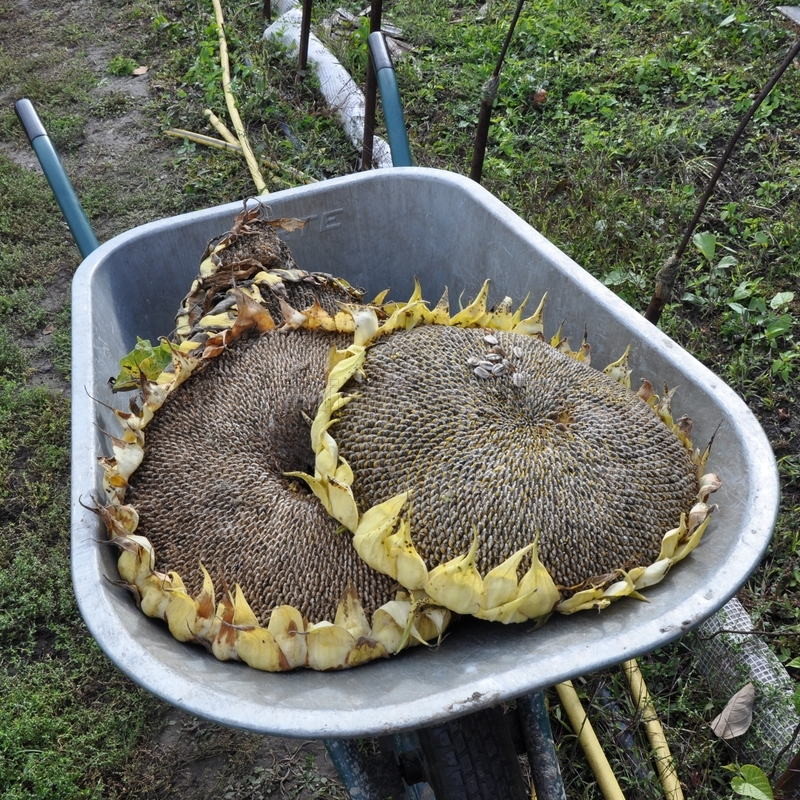
Titan is a modern giant sunflower bred specifically for maximum head size and dense seed production. It produces thick stems and large flower disks that can hold a significant number of seeds. When given proper nutrients and spacing, it is capable of producing very high yields per plant.

7. Super Snack Mix
Super Snack Mix is selected for edible seed quality, producing large seeds that are easy to process and consume. While not always as tall as some giant types, it focuses on seed usability and consistent production, making it a practical choice for home growers.

8. American Giant
American Giant is known for its impressive height and large seed heads, combining strong growth with high output. The plant requires space and full sun to reach its full potential, but rewards growers with substantial seed production.

9. Grey Stripe Giant
Grey Stripe Giant produces large, striped seeds similar to Mammoth types, with dependable yields across different environments. It is valued for its adaptability and steady performance, making it a reliable option for consistent seed harvests.
Oil Sunflowers (High Oil Content)
Oil sunflowers are bred to prioritize oil density within the seed rather than seed size. Instead of producing large, striped seeds for eating, these varieties develop smaller, darker seeds with a higher concentration of oil. This makes them ideal for pressing oil, supporting wildlife, or adding high energy seed to feed mixes.
Their structure is slightly different from seed snack types:
seeds are smaller but more numerous per head
hulls are thinner, allowing for higher oil extraction
heads are often dense and uniform rather than oversized
plants may mature more evenly, which helps with harvest timing
Because oil content is the goal, total yield is measured not just by seed weight, but by how much usable oil is contained within those seeds.

1. Black Oil Sunflower
Black Oil Sunflower is the most widely recognized oil type, known for its high oil content and dense seed heads. The seeds are small, black, and easy to process, making them ideal for oil extraction and bird feed. The plant is reliable and produces consistently across a range of conditions.
2. Peredovik
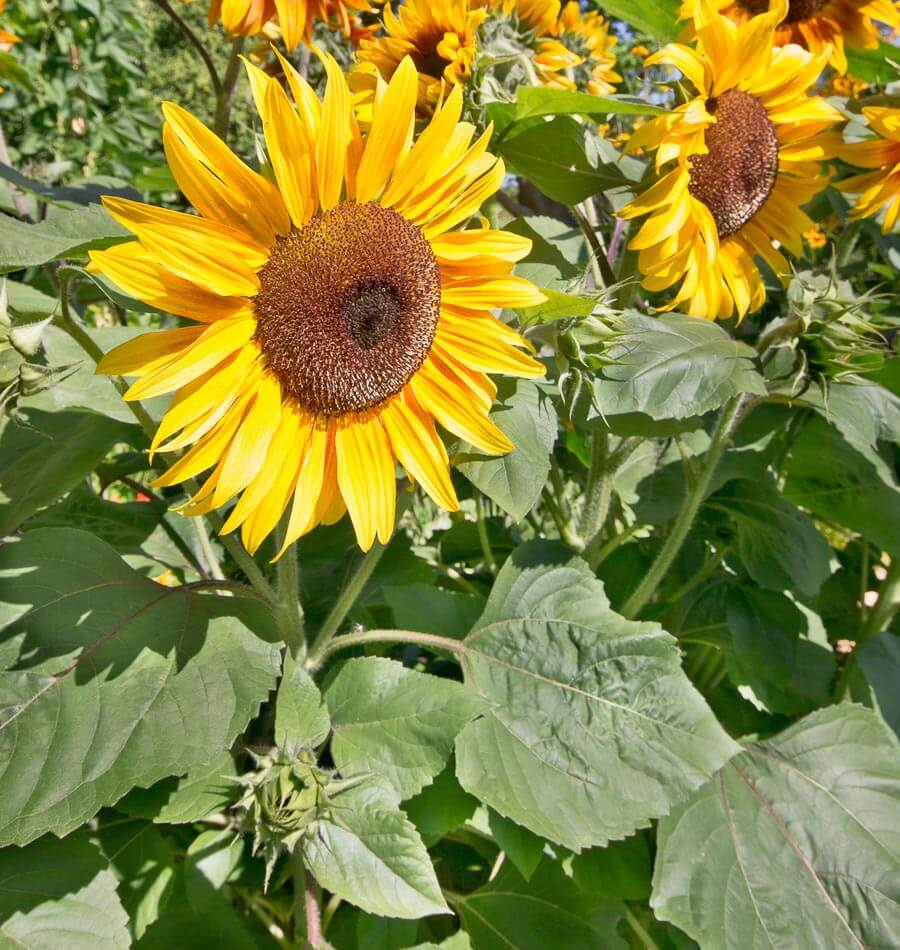
Peredovik is a traditional oilseed variety valued for its adaptability and stable yields. It produces uniform heads with a high concentration of oil rich seeds. This variety performs well in variable climates and is often used in larger scale oil production due to its consistency.

3. Sunrich Orange
Sunrich Orange is commonly grown as a cut flower, but it also produces well formed seed heads with good oil potential. The plant is uniform and reliable, making it a dual purpose option for both ornamental use and seed production.

4. Dwarf Sunray Oil
Dwarf Sunray Oil is a compact sunflower that produces oil rich seeds on a smaller plant, making it suitable for limited space gardens. While the head size is smaller, the oil content remains strong, offering a practical option for container or small scale growing.
5. Hopi Black Dye
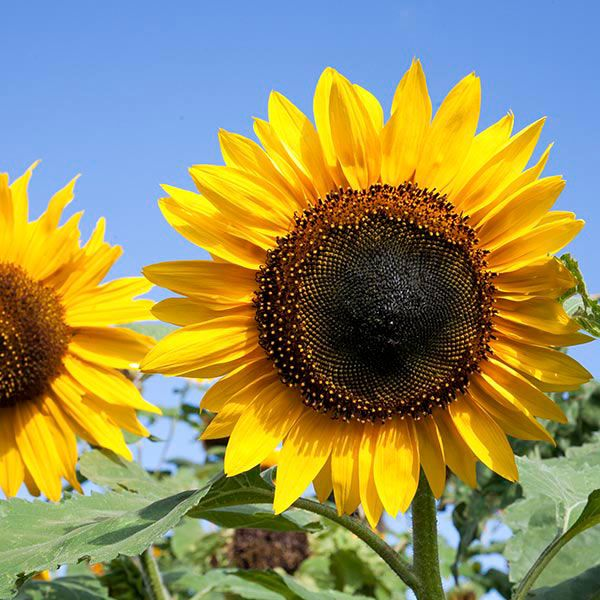
Hopi Black Dye is a traditional variety known for its deep black seeds used for both oil and natural dye. It produces moderately sized heads with dense seed packing. The plant carries cultural significance and offers a unique combination of utility and heritage.

6. Mammoth Black Oil
Mammoth Black Oil is a variation that leans more toward oil production than large edible seeds. It combines the size of larger sunflowers with darker, oil rich seeds, offering a balance between yield and oil content.

7. Sungold Oil Type
Sungold Oil Type produces compact, dense seed heads with strong oil potential. It is selected for efficient seed formation and reliable production, making it suitable for growers focused on maximizing oil output in a smaller space.
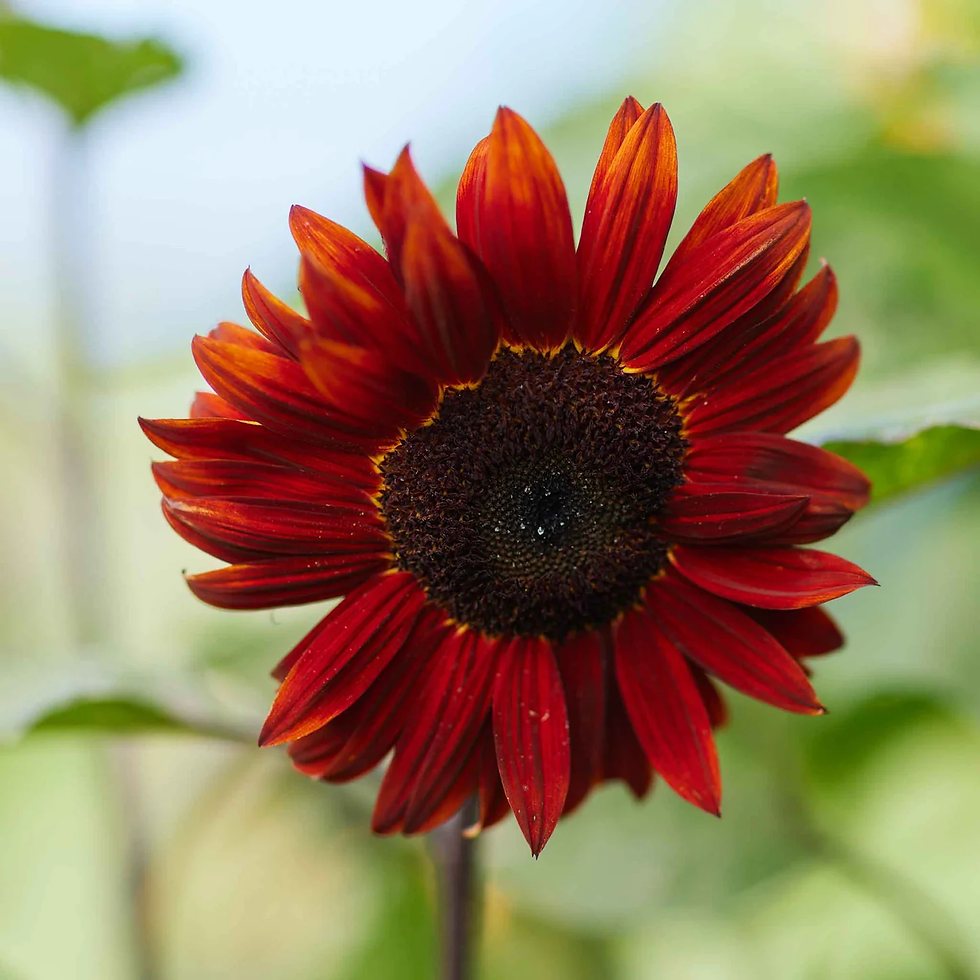
8. Red Sun Oil
Red Sun Oil produces darker seeds and features an ornamental crossover with moderate oil production. While not as high yielding as pure oil types, it offers both visual appeal and functional seed output, making it useful in mixed plantings.
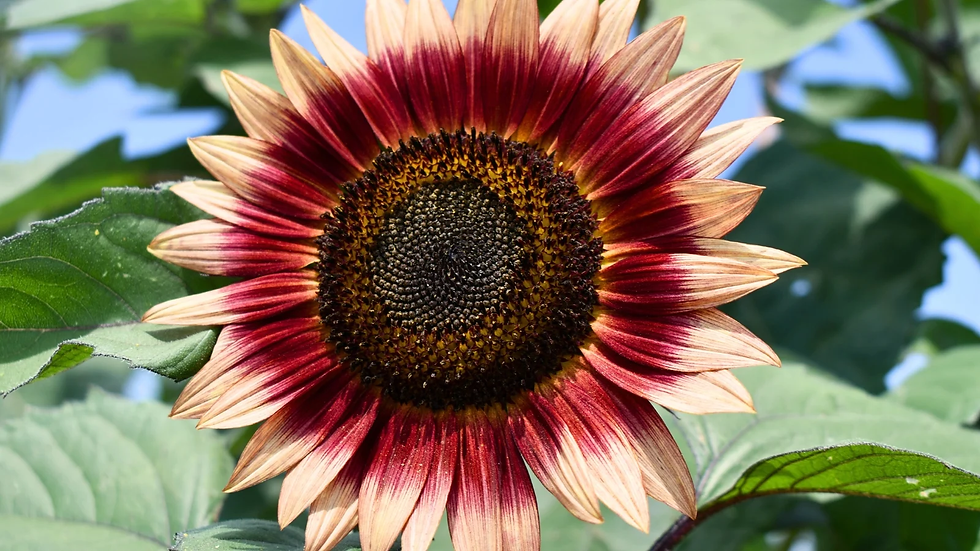
9. ProCut Red
ProCut Red is primarily grown as a cut flower, but it develops uniform seed heads with good oil producing structure. It offers consistent growth and reliable seed formation, making it a practical dual purpose variety.
Branching Sunflowers (Continuous Production)
Branching sunflowers are bred to produce multiple flower heads instead of a single dominant bloom, which allows them to flower continuously over an extended period. Rather than concentrating all energy into one large seed head, these plants develop side shoots that each form their own blooms, creating a steady cycle of flowering.
This growth habit changes how the plant produces:
flowering occurs in stages rather than all at once
new buds continue to form as older blooms mature
total flower output per plant is significantly higher over time
the bloom period can extend for weeks or even months
These varieties are especially valuable for:
long lasting colour in the garden
supporting pollinators over an extended season
cut flower production
continuous visual impact rather than a single peak bloom
Because energy is spread across many flowers, individual heads are smaller than giant seed types, but overall productivity is higher in terms of total blooms.

1. Autumn Beauty
Autumn Beauty produces multiple blooms in warm tones of red, orange, and yellow, creating a layered, seasonal look. The plant branches heavily and continues flowering throughout the season, making it a reliable choice for continuous colour and pollinator support.
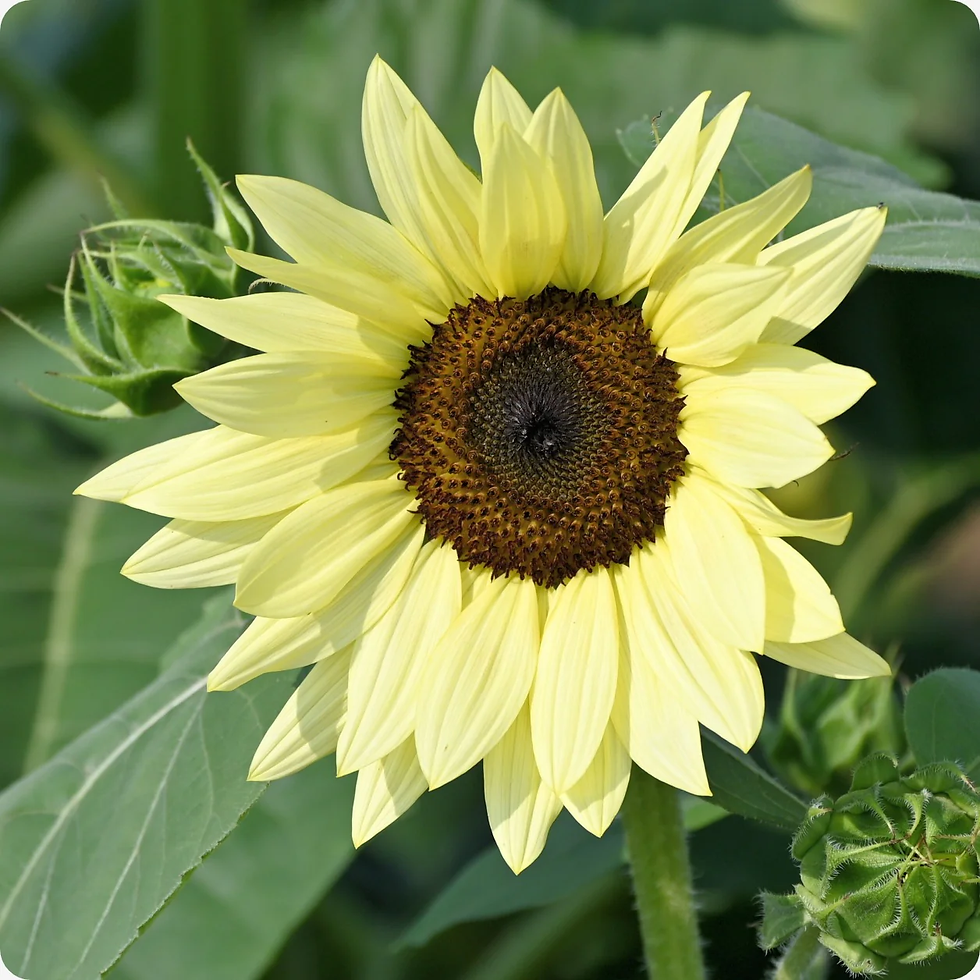
2. Lemon Queen
Lemon Queen is a tall branching variety known for its soft, pale yellow flowers and strong pollinator attraction. It produces many blooms across its height and is particularly effective at supporting bees and other beneficial insects. Its steady flowering makes it one of the most useful ecological varieties.
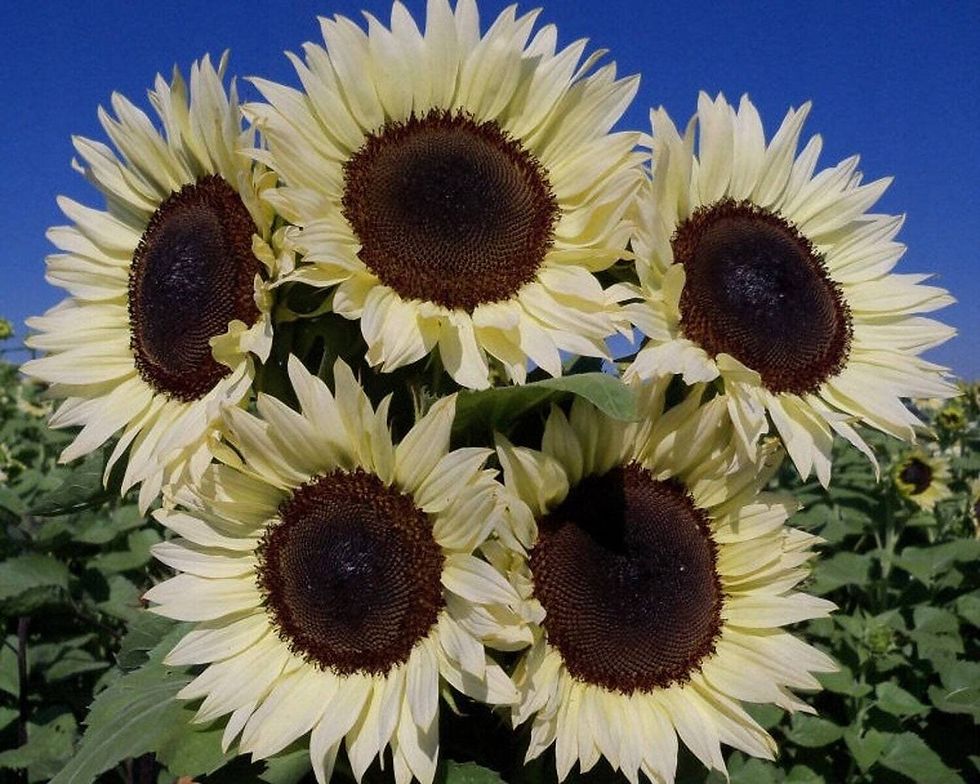
3. Italian White
Italian White produces cream coloured blooms on branching stems, offering a softer, more subtle appearance compared to brighter varieties. It flowers consistently over time and works well in mixed plantings where a lighter tone is desired.

4. Velvet Queen
Velvet Queen is known for its deep red blooms and strong branching structure. It produces multiple flowers per plant, each with a rich, dark tone. The continuous flowering pattern provides both visual depth and steady production.
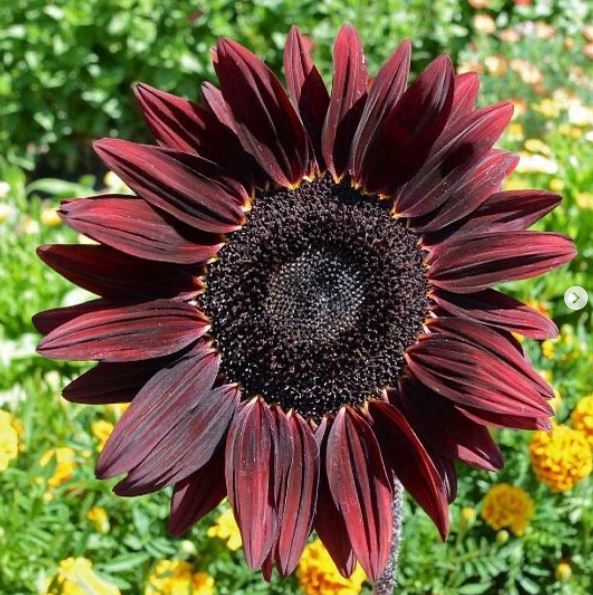
5. Chocolate Cherry
Chocolate Cherry produces dark, rich coloured blooms with a deep red to brown tone. It branches well and continues producing flowers throughout the season. Its colour adds contrast to lighter varieties and maintains visual interest over time.

6. Evening Sun
Evening Sun produces a mix of warm colours across multiple blooms, ranging from gold to deep red. The plant branches heavily and flowers continuously, creating a varied and dynamic display. It is known for steady performance and strong seasonal output.
7. Soraya
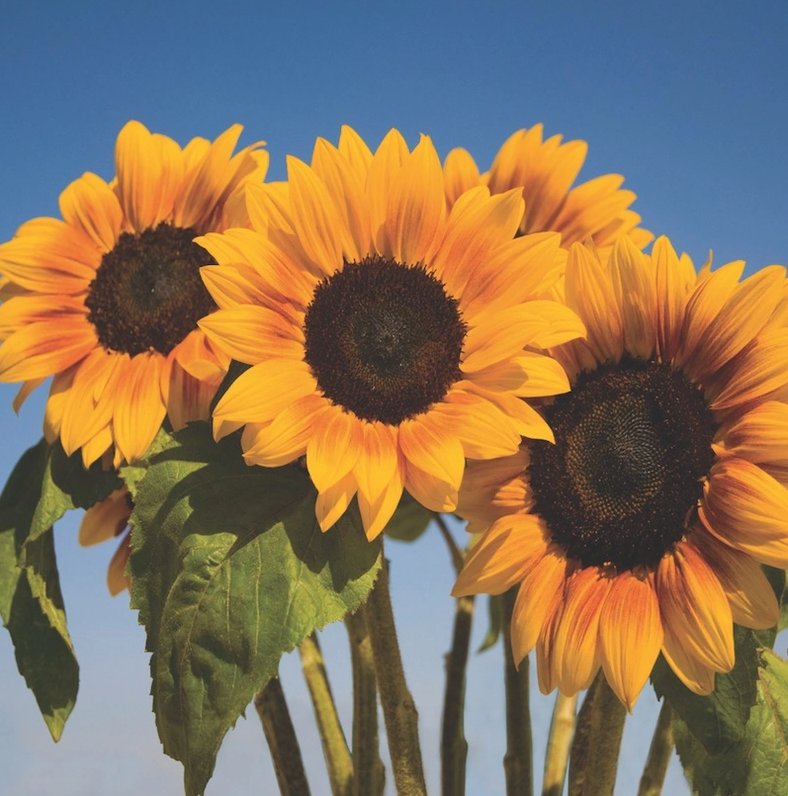
Soraya is a robust branching sunflower that produces bright orange flowers with a strong central disk. It has a well structured branching habit and offers reliable, consistent flowering over time. It is often used for both garden display and cut flower production.
8. Earthwalker
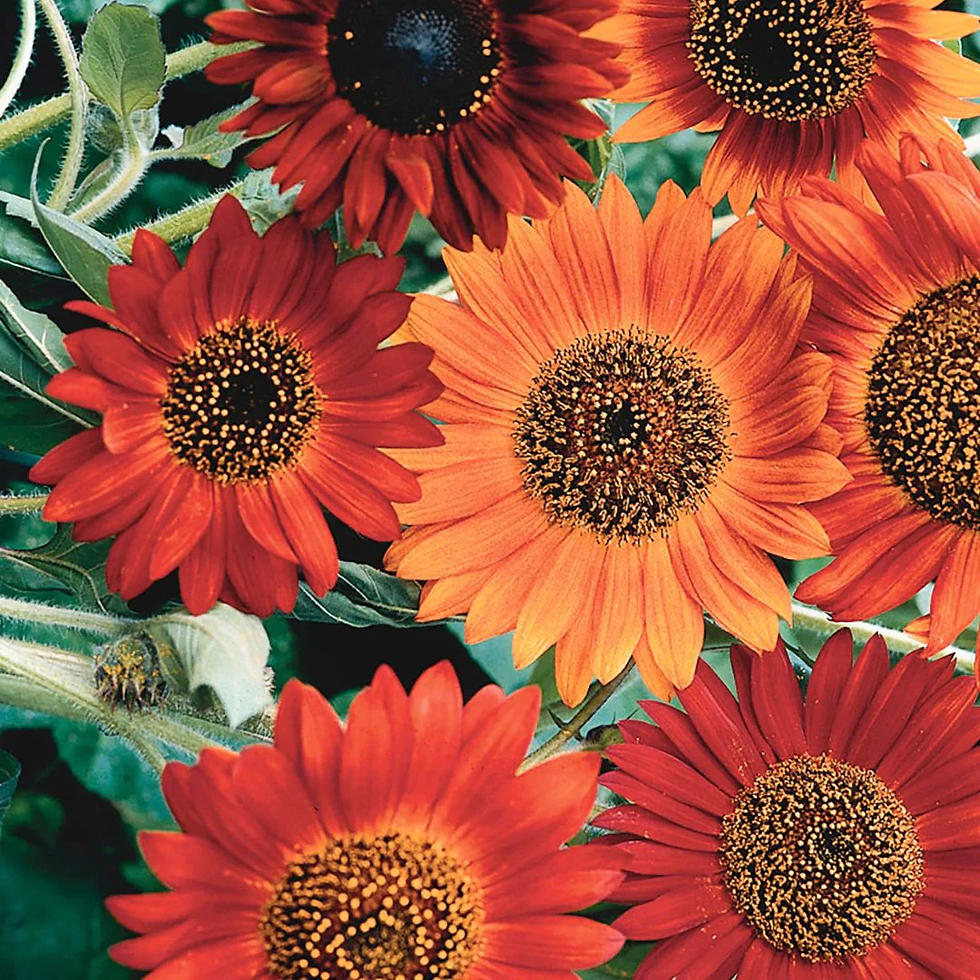
Earthwalker produces a wide range of warm, earthy tones, including bronze, orange, and gold. It branches extensively and flowers continuously, creating a layered, natural appearance. It is particularly valued for its colour variation and long bloom period.

9. Moulin Rouge
Moulin Rouge is a deep red sunflower that produces multiple blooms without the typical yellow centre contrast. Its branching habit allows for continuous flowering, and its colour provides a strong visual focal point in the garden.

10. Ring of Fire
Ring of Fire produces distinct bi colour blooms with red centres and yellow tipped petals. The plant branches well and continues producing flowers throughout the season. Its bold pattern and steady output make it both productive and visually striking.
Exotic and Ornamental Sunflowers
Exotic and ornamental sunflowers are selected for visual impact, structure, and unique coloration, rather than maximum seed yield. While many still produce viable seed and can support pollinators, their primary role is to add diversity, contrast, and texture to the garden.
These varieties often differ from traditional sunflowers in several ways:
petal structure may be layered, double, or unusually shaped
colours can extend beyond yellow into red, cream, pink, or multi toned blends
bloom size and form vary widely, from compact pom pom shapes to large, refined disks
many produce multiple blooms, extending their visual presence over time
Because they are bred for appearance, they are often used in:
ornamental garden design
cut flower arrangements
pollinator gardens where diversity of bloom matters
mixed plantings to break uniformity
Despite their focus on aesthetics, many of these varieties still offer steady flowering and moderate productivity, especially branching types.

1. Teddy Bear
Teddy Bear produces dense, fully double blooms that resemble soft, rounded pom poms. The petals are tightly packed, giving the flower a textured, almost plush appearance. The plant is compact and can produce multiple blooms, making it suitable for smaller spaces and ornamental displays.
2. Strawberry Blonde
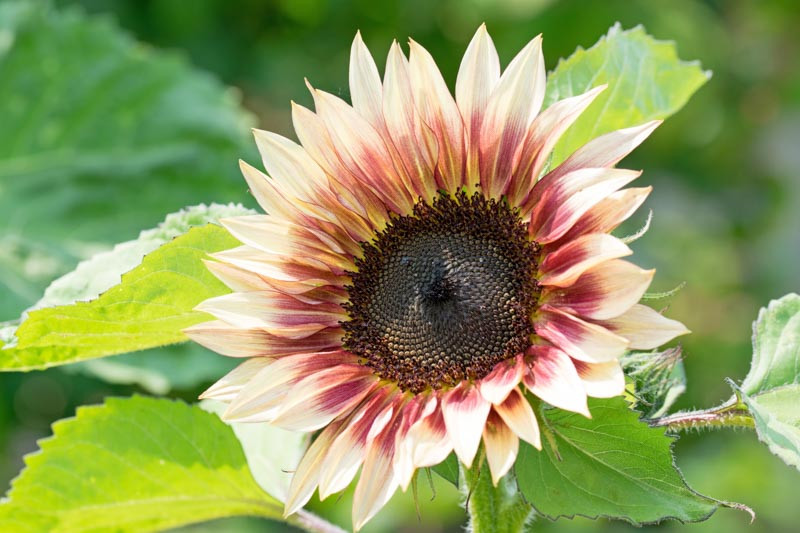
Strawberry Blonde is known for its unusual colour range, shifting between soft pink, rose, and pale yellow tones. Each bloom can vary slightly, creating a gradient effect across the plant. It branches well and produces continuously, offering both colour variation and extended flowering.

3. Firecracker
Firecracker is a compact branching sunflower that produces red and gold bi colour blooms. The plant remains manageable in size while still producing multiple flowers, making it ideal for borders or container growing. Its strong colour contrast adds visual energy to the garden.
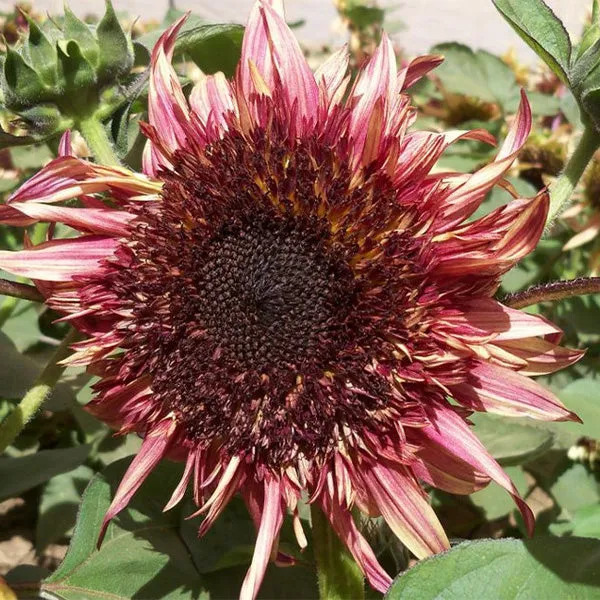
4. Double Dandy
Double Dandy produces layered, double petal blooms with a full, textured appearance. The flowers have depth and structure, making them stand out from standard single petal types. The plant branches moderately and continues flowering over time.
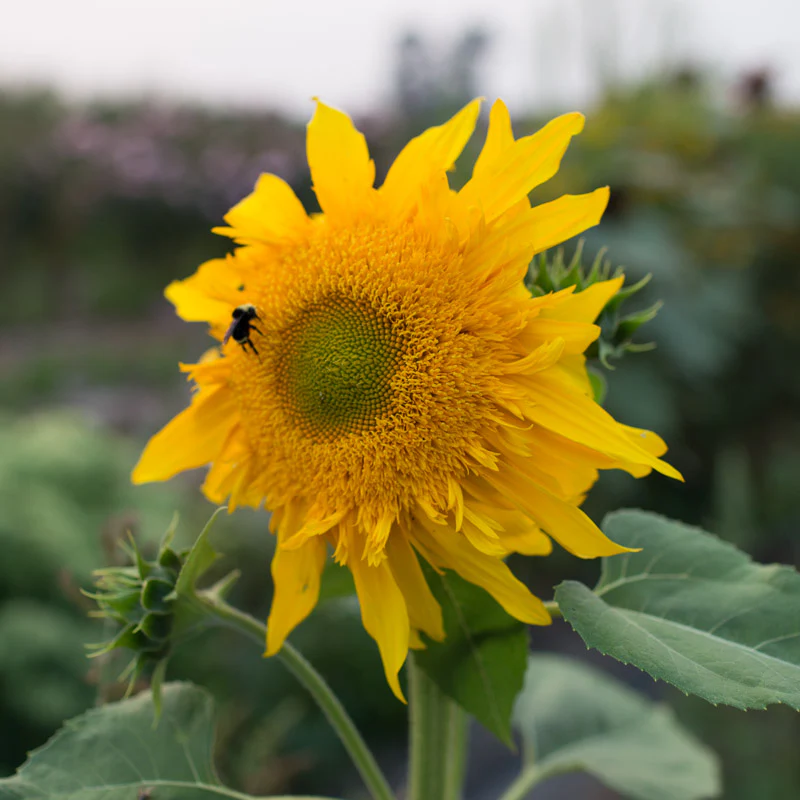
5. Greenburst
Greenburst is a unique variety featuring green centred blooms with a more unconventional structure. The colour and form give it a distinct look compared to traditional sunflowers. It produces multiple blooms and works well in mixed plantings where contrast is desired.
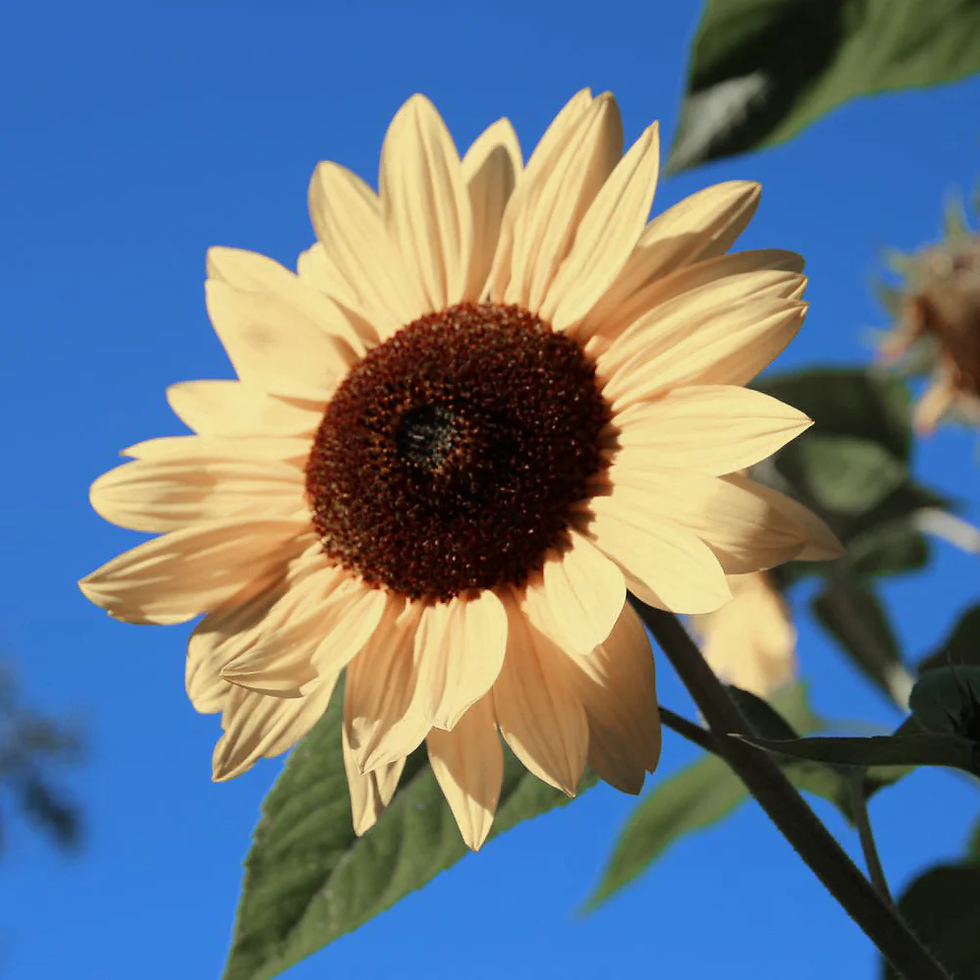
6. Buttercream
Buttercream produces soft yellow to cream coloured flowers with a refined, understated appearance. The blooms are clean and uniform, offering a subtle alternative to brighter varieties. It branches and flowers steadily, providing consistent ornamental value.

7. Ruby Eclipse
Ruby Eclipse features deep red petals with contrasting centres, creating a bold and dramatic look. The plant produces multiple blooms and maintains strong colour intensity throughout the season. It is often used as a focal point in garden design.
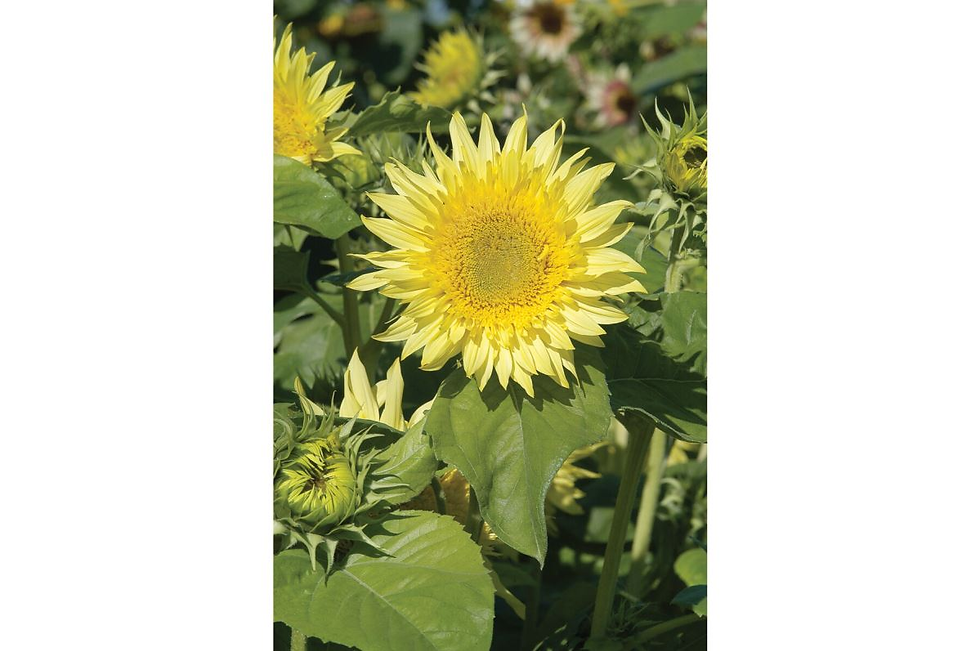
8. Starburst Lemon Aura
Starburst Lemon Aura produces double blooms with a soft, full structure and pale yellow colouring. The layered petals give the flower a rounded, almost glowing appearance. It branches and continues producing blooms, offering both texture and continuity.

9. Taiyo
Taiyo is a traditional Japanese sunflower known for its large, clean yellow blooms and strong structural form. While more classic in appearance, its size and symmetry make it stand out in ornamental settings. It produces a dominant central bloom with a refined look.

10. Florenza
Florenza is a compact ornamental sunflower that produces bright, uniform blooms on a smaller plant. It is well suited for dense plantings, containers, or borders. The plant produces multiple flowers, offering consistent colour without taking up significant space.


Comments