

Why Topping Plants Matters for Healthy, Productive Growth
- caragardensinfo
- Dec 20, 2025
- 3 min read
Updated: Jan 2
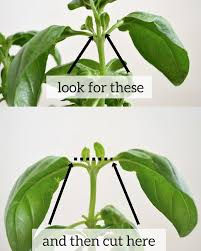
In gardening, one of the most counterintuitive lessons is this: sometimes the best way to help a plant grow is to remove part of it. For many gardeners, the idea of cutting back a healthy plant feels wrong at first. Yet topping is one of the most important practices for encouraging strong, bushy growth, especially when growing herbs, edible greens, and vining plants meant for harvest.
Topping is the act of removing the top growth of a plant, usually the central growing tip. This simple action changes how the plant directs its energy. Instead of focusing on vertical height alone, the plant begins to develop side shoots, creating a fuller structure that produces more leaves, flowers, or fruit over time.
How Topping Changes Plant Behavior
Plants grow according to hormonal signals. The main growing tip produces a hormone that tells the plant to keep growing upward. As long as that signal remains dominant, side branches grow slowly or not at all. When the top is removed, that signal is interrupted. The plant responds by activating dormant side nodes, allowing it to spread outward instead of stretching upward.
This is why herbs like basil, mint, oregano, and thyme respond so dramatically to topping. A basil plant that is never topped often grows tall and spindly, producing fewer usable leaves before flowering. A basil plant that is topped regularly becomes dense and productive, offering repeated harvests throughout the season.
Topping for Harvest and Longevity
When growing edible plants, productivity matters. Topping allows gardeners to harvest regularly without stressing the plant. Each cut encourages new growth, meaning the plant continues producing fresh leaves rather than rushing toward flowering and seed production.
Flowering signals the end of leaf production for many herbs. Once a plant shifts into seed mode, its leaves often become tougher or bitter. Topping delays this transition, keeping the plant in a vegetative state longer and extending the harvest window.
For leafy greens and herbs, this means more food from fewer plants. For gardeners working in small spaces, this practice becomes essential.
Supporting Vines and Structural Growth
Topping is also valuable for vining plants such as peas, beans, cucumbers, and squash. While vines will naturally grow long and eventually branch on their own, this process takes time. Without intervention, a vine may invest weeks into length before producing side shoots that bear flowers and fruit.
Strategic topping encourages branching earlier, allowing vines to spread more evenly across trellises or supports. This leads to better airflow, easier harvesting, and more balanced fruit production. It also reduces the risk of plants collapsing under their own weight later in the season.
What Happens Without Topping
Plants are capable of multiplying and branching without human involvement. In nature, wind damage, grazing animals, or falling debris often break stems, triggering the same response that topping does in the garden. However, in cultivated spaces where plants are protected, these natural interruptions rarely occur.
Without topping, plants will still branch eventually, but the process is slower and less efficient. The result is often tall, leggy growth with fewer productive stems. In edible gardens, this can mean lower yields and shorter harvest periods.
Topping simply accelerates a process that plants already know how to do. It does not force unnatural growth. Instead, it works with the plant’s biology, guiding it toward a more balanced and resilient form.
A Practice Rooted in Understanding
Topping is not about control. It is about understanding how plants communicate and respond to their environment. When done thoughtfully, it strengthens plants rather than weakens them. Each cut becomes a signal, telling the plant to spread, to adapt, and to grow with intention.
For gardeners, topping is an act of participation. It requires observation, timing, and respect for the plant’s rhythm. When practiced consistently, it leads to healthier gardens, fuller harvests, and plants that are better equipped to thrive through the season.
In learning when and how to top, we learn to listen. And in listening, we help our gardens reach their fullest potential.


Comments