

Winter Gardens for Wild Companions: Plants that Feed Ontario’s Native Birds
- caragardensinfo
- Nov 6, 2025
- 3 min read
Updated: Jan 3
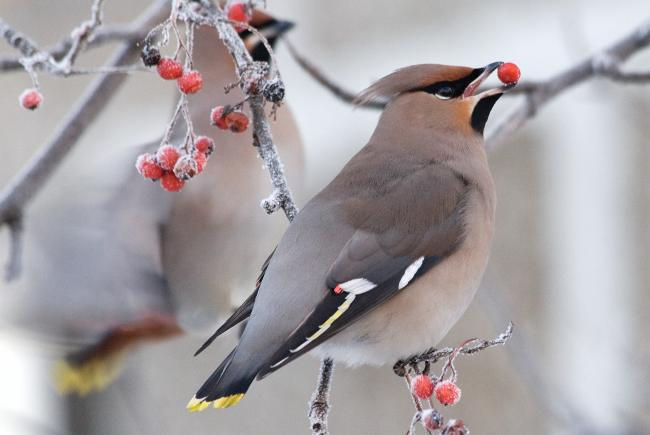
Winter can feel quiet on the landscape, especially in Ontario where snow softens sound and light. Yet the season is far from still. Beneath bare branches and frozen ground, life continues in steady, deliberate rhythms. Birds remain active throughout the winter, moving from tree to shrub to seedhead in search of food. For them, survival depends on what the land provides when insects sleep and nectar disappears. A garden that continues to nourish life in winter becomes more than a place of summer color. It becomes refuge.
Ontario is home to a wide variety of native birds that stay through the cold months. Black-capped chickadees flit in small groups, curious and unafraid. Northern cardinals flash bright red against winter’s muted tones, often appearing at dawn and dusk. Downy and hairy woodpeckers tap along tree trunks, listening for hidden larvae. Dark-eyed juncos return from northern breeding grounds, hopping close to the snow’s edge for dropped seeds. Blue jays, clever and social, cache food in the fall and retrieve it throughout winter. American goldfinches, though less bright in winter plumage, still cling to seedheads with determined energy. These birds and many others find their winter meals in the plants that remain standing long after the frost has arrived.
Plants that Sustain Birds Through Winter
One of the most important gifts we can offer is to resist the urge to “clean up” the garden too thoroughly in autumn. The dried seedheads, berries, and standing stems that appear spent to us are lifelines to winter wildlife.
Coneflowers (Echinacea purpurea) and black-eyed Susans (Rudbeckia hirta) hold seedheads that attract finches and sparrows. Goldfinches are particularly drawn to their seeds, clinging to the dark cones even in deep snow. Bee balm (Monarda didyma) and bergamot (Monarda fistulosa) also provide late-season seeds that support small birds.
Switchgrass (Panicum virgatum), little bluestem (Schizachyrium scoparium), and Indian grass (Sorghastrum nutans) stand tall through winter winds. Their seeds scatter slowly, offering steady nourishment. Grasses also shelter insects at their bases, which in turn feed woodpeckers, nuthatches, and chickadees.
Shrubs play an essential role too. Serviceberry (Amelanchier spp.) produces fruits that birds remember and return for year after year. Canada buffaloberry (Shepherdia canadensis) and chokeberry (Aronia melanocarpa) hold persistent berries that remain edible deep into winter. American cranberrybush viburnum (Viburnum trilobum) provides plump red clusters that brighten snow-covered landscapes and feed waxwings and cardinals.
Sumac (Rhus typhina), often overlooked, is one of the most valuable winter plants. Its upright red fruiting clusters remain available even when snow is deep. Many species, including chickadees, blue jays, ruffed grouse, and woodpeckers, rely on sumac in the hardest months.
Native roses, such as prairie rose (Rosa blanda) and swamp rose (Rosa palustris), form hips that hold seeds and oils crucial to birds that need high energy to stay warm. Leaving rose hips untrimmed ensures ongoing food supply.
Why These Plants Matter
Winter food is not just about calories. It is about continuity and connection. Birds that overwinter in Ontario have evolved to depend on native plants that hold seeds and fruit through the cold. When landscapes shift to ornamental species that do not produce edible or accessible food, birds lose the resources that sustain them. A single missing species can break a thread in the ecological web that has been woven over thousands of years.
By planting native species and allowing natural growth to remain visible through winter, we support these birds through their most vulnerable season. Our gardens become part of the living ecosystem, not just in summer when flowers bloom, but all year long.
Winter Gardens as Acts of Care
There is a quiet kind of beauty in watching a chickadee land on a dried coneflower or seeing a cardinal visit a viburnum branch dusted with snow. These moments remind us that our gardens are not ornaments. They are shared spaces.
When we choose to plant with winter in mind, we honour the land’s rhythms. We offer something of lasting value: shelter, nourishment, and continuity. Winter teaches us that even in the season of rest, life persists. We are simply helping it hold on.
A garden that feeds birds in winter is not only a habitat. It is a gesture of kindness.



Comments